

If you or a loved one is exploring flexible treatment options for mental health or substance use recovery, you’ve likely come across the term Virtual IOP. But one of the most common questions people ask is: how does virtual IOP work in a real, practical sense?
Unlike traditional in-person programs, virtual IOPs are designed to deliver structured, high-quality care remotely, allowing individuals to receive support while continuing their daily responsibilities like work, school, or family life. In this guide, we’ll break down exactly what to expect in a virtual IOP, week by week, so you can better understand how the process unfolds.
What Is a Virtual IOP?
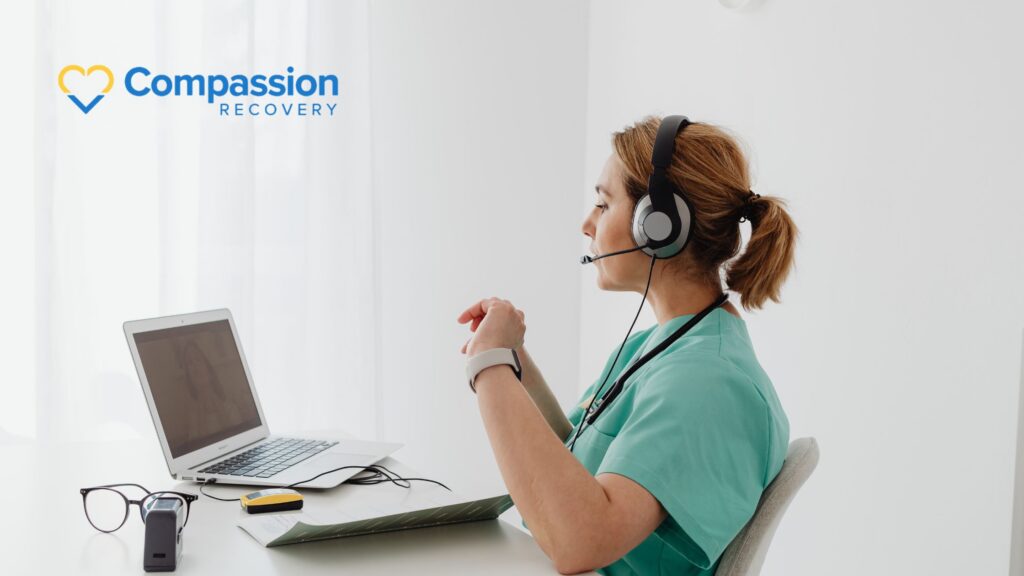
A Virtual Intensive Outpatient Program (IOP) is a structured mental health or addiction treatment program delivered entirely online through secure video platforms. It typically includes:
- Individual therapy sessions
- Group therapy sessions
- Skill-building workshops
- Psychiatric support (if needed)
Participants usually attend sessions multiple times per week, making it more intensive than standard outpatient therapy but less restrictive than inpatient care.
Who Is Virtual IOP Best For?
Before diving into the weekly breakdown, it’s important to know who benefits most from virtual IOP:
- Individuals stepping down from inpatient or residential care
- Those who need structured support but can’t commit to full-time treatment
- People managing anxiety, depression, trauma, or substance use
- Working professionals, students, or parents needing flexibility
Now, let’s explore how does virtual IOP work across a typical 6–8 week timeline.

Week 1: Assessment & Orientation
The first week sets the foundation for your entire journey.
What Happens:
- Comprehensive intake assessment
- Mental health and/or substance use evaluation
- Personalized treatment plan creation
- Introduction to therapists and group members
- Tech setup and orientation to the platform
Focus Areas:
- Understanding your goals
- Building comfort with the virtual format
- Establishing a routine
During this stage, providers work closely with you to understand your needs and tailor a plan accordingly. This ensures that your experience is not one-size-fits-all.
Also Read: Top 10 Virtual IOPs in California
Week 2: Building Awareness & Routine
Now that you’re oriented, the program shifts toward consistency and awareness.
What Happens:
- Regular group therapy sessions (3–5 times/week)
- One-on-one therapy session
- Introduction to coping strategies
- Psychoeducation sessions (understanding mental health/addiction)
Focus Areas:
- Identifying triggers and patterns
- Emotional awareness
- Establishing a daily structure
This week is crucial for building trust both with your therapist and your peer group. Many participants begin to feel more comfortable sharing and engaging.
Also Read: 7 Benefits of Virtual IOP Programs for Busy Adults and Families
Week 3: Developing Coping Skills
By week three, the program becomes more skill-focused.
What Happens:
- Cognitive Behavioral Therapy (CBT) exercises
- Stress management techniques
- Mindfulness and grounding practices
- Continued group discussions
Focus Areas:
- Reframing negative thoughts
- Managing cravings or emotional distress
- Practicing new coping tools in real-life situations
This is where participants start seeing practical changes. You’ll learn techniques you can immediately apply outside of sessions.
Week 4: Deep Emotional Work
This phase often involves going deeper into underlying issues.
What Happens:
- Trauma-informed therapy sessions (if applicable)
- Exploring past experiences and emotional wounds
- Strengthening communication skills
- Family therapy sessions (optional in some programs)
Focus Areas:
- Understanding root causes
- Emotional healing
- Building healthier relationships
At this point, many people have a clearer understanding of themselves and their challenges. The virtual format still allows for deep, meaningful connections despite being remote.
Week 5: Strengthening Behavioral Changes
Now that awareness and skills are in place, the focus shifts to action.
What Happens:
- Behavioral activation exercises
- Goal-setting sessions
- Accountability check-ins
- Continued therapy sessions
Focus Areas:
- Replacing unhealthy habits with positive behaviors
- Building consistency
- Tracking progress
Participants often begin to notice improvements in mood, relationships, and daily functioning during this stage.
Week 6: Relapse Prevention & Long-Term Planning
As the program nears completion, the focus shifts to sustainability.
What Happens:
- Relapse prevention planning
- Identifying high-risk situations
- Creating a long-term support strategy
- Preparing for life after IOP
Focus Areas:
- Maintaining progress
- Building resilience
- Strengthening independence
You’ll work closely with your therapist to create a personalized plan that ensures continued growth even after the program ends.
Week 7–8: Transition & Aftercare
Some virtual IOPs extend to 8 weeks, focusing on transition and independence.
What Happens:
- Gradual reduction in session frequency
- Final evaluations and progress reviews
- Aftercare recommendations (weekly therapy, support groups, etc.)
Focus Areas:
- Confidence building
- Self-management
- Staying connected to support systems
This stage ensures you’re not just completing the program but truly prepared for what comes next.
Key Benefits of Virtual IOP
Understanding how does virtual IOP works also means recognizing its advantages:
1. Flexibility
Attend sessions from home without disrupting your daily life.
2. Accessibility
No need for travel—ideal for people in remote areas or with mobility challenges.
3. Privacy
Receive treatment discreetly from your own space.
4. Continuity of Care
Easily transition from inpatient to outpatient without major disruptions.
What Does a Typical Weekly Schedule Look Like?
While programs vary, here’s a general idea:
- 3–5 days per week
- 2–4 hours per day
- Mix of group and individual sessions
Sessions are usually scheduled in morning or evening slots to accommodate different lifestyles.
Is Virtual IOP Effective?
Research and patient outcomes show that virtual IOP can be just as effective as in-person programs for many individuals. The key factors include:
- Consistent participation
- Engagement in sessions
- Strong therapist-client relationship
For many, the comfort of being at home actually enhances openness and participation.
Final Thoughts
So, how does virtual IOP work? It works by combining structured therapy, skill-building, and consistent support delivered in a flexible, online format that fits into your life.
From initial assessment to aftercare planning, each week builds on the last, guiding you toward long-term recovery and emotional well-being. Whether you’re managing mental health challenges or recovering from substance use, virtual IOP offers a balanced approach that empowers you to heal without putting your life on hold.
If you’re considering virtual IOP, the next step is to consult with a provider who can assess your needs and guide you toward the right program.