Comprehensive California Virtual IOP care in a flexible, convenient format that makes it easier to focus on your behavioral health, mental wellness, and addiction recovery from anywhere in California.
A Virtual Intensive Outpatient Program (IOP) is a structured, high-level outpatient program delivered entirely via secure telehealth. Unlike traditional online therapy, which may only meet once a week, a Virtual IOP provides a higher level of care for those struggling with mental health or substance use disorders.
At Compassion Recovery Centers, our virtual treatment program is designed to mirror our in-person excellence while offering the flexibility of remote care. You receive:
Our HIPAA-compliant video platform ensures your journey remains private, secure, and professional.

Don’t let the 405 traffic or a demanding schedule prevent you from getting the addiction treatment you deserve. Compassion Recovery’s Virtual IOP brings expert, confidential, and flexible care directly to you, anywhere in the state. Our online intensive outpatient program is designed for your real life, allowing you to heal from the privacy of your home.
Whether you’re in Los Angeles, San Diego, San Francisco, Sacramento, or Fresno, our telehealth IOP provides the same evidence-based therapy and unwavering support as a traditional program. We remove the barriers to recovery, making premier drug and alcohol addiction treatment accessible to every adult across California.
The cornerstone of recovery is connection. Our virtual IOP groups unite you with peers in a secure, therapist-facilitated environment. From the comfort of your home, anywhere in California, you can share your experiences, learn from others, and build a powerful support network. Together, we foster a genuine community where you are understood, encouraged, and never alone on your journey.
Your recovery path is unique. Our individual therapy sessions provide the personalized, one-on-one attention crucial for healing. Our licensed therapists partner with you via telehealth to address the root causes of addiction, develop powerful coping strategies, and build the resilience needed for lasting sobriety. This focused guidance is a core component of our online IOP for clients across California.
Knowledge empowers recovery. Each month, our virtual IOP participants gain exclusive access to live lectures from leading professionals in addiction science, trauma, and mental wellness. These sessions are designed to provide you with deeper insights, practical tools, and the motivation to strengthen your commitment to a healthy, substance-free life.
Addiction affects the entire family, and healing together creates the strongest foundation for success. Our telehealth IOP includes structured family therapy sessions for our clients across California and their loved ones. We facilitate open communication, help rebuild trust, and equip your family with the tools to create a supportive and nurturing home environment for lasting recovery.
Sustainable recovery is built on a foundation of daily wellness. Our virtual IOP curriculum integrates a consistent focus on self-care. We guide you in developing practical routines to manage stress, improve emotional balance, and strengthen your overall well-being. These essential skills are vital for navigating life’s challenges and supporting your sobriety long-term.
Virtual Intensive Outpatient Programs (IOP) are built for adults across California who are ready to heal but need a treatment plan that fits into their actual lives. If you have a stable internet connection and are seeking support for a mild to moderate mental health or substance use disorder, this program is designed for you. Because our care is fully remote, individuals currently experiencing severe withdrawal or those who require 24/7 medical detox will need a higher level of care first. However, if you are medically stable and motivated to make a change, our virtual doors are open to help you begin.
This flexible level of care is a lifeline for people who simply cannot hit pause on their responsibilities to enter a residential rehab facility. Whether you are a working professional who needs to maintain your career, a busy parent who cannot leave your family, or a college student balancing a heavy course load, Virtual IOP adapts seamlessly to your schedule. It also serves as a highly effective step down program for patients transitioning out of Partial Hospitalization Programs (PHP) or inpatient rehab who still need daily structure and professional accountability to safely navigate early recovery.
Beyond just solving scheduling conflicts, Virtual IOP removes the physical and emotional barriers to getting premium care. It is the perfect solution for dual diagnosis clients who need simultaneous treatment for both addiction and mental health, especially those who may live in underserved areas of California or lack reliable transportation. Whether you have mobility challenges, an unpredictable work schedule, or simply demand the absolute privacy of healing from the comfort of your own living room, you deserve elite clinical care without the stress of a daily commute.
Yes. Virtual IOP provides the same powerful outcomes as in-person treatment, as long as it is guided by licensed clinicians using evidence-based therapies.
We don’t just offer “talk therapy.” We equip you with practical tools to rebuild your life. Our telehealth program is rooted in clinically proven frameworks designed to create lasting change:

We believe that high-quality mental health care should be accessible. Navigating insurance is the last thing you should worry about when you are struggling.

We understand that you have choices for virtual care. Compassion Recovery Centers stands out because we are a clinically driven, licensed medical provider rather than just a technology app.
Our Virtual IOP is designed to treat the whole person rather than just a set of symptoms. We use a combination of clinical expertise, compassionate support, and evidence-based treatment to address a wide range of mental health challenges and substance use concerns.
There are 40 million U.S. adults struggling with anxiety disorder, anxiety disorders are one of the most common and most debilitating mental illnesses. While common, anxiety can get in the way of treatment by making it difficult to leave your home, to drive, or to see other people. This makes online treatment an especially good choice for anxiety patients. Here, Compassion Recovery offers CBT and DBT to help assess behavior patterns and underlying problems and then help you to build coping mechanisms and to resolve those issues where possible.
Depression can make you feel alone, isolated, and unwanted. But, with 19.4 million Americans struggling with the disorder, you are far from alone. Compassion Recovery offers virtual treatment for depression because it allows you to check up frequently, to connect with your counselor, and to get the help you need no matter financial resources. Therapy and counseling for depression are similar to that used for anxiety, with CBT and DBT followed by counseling and complementary therapy to build coping mechanisms, good habits, and to create a sound basis for a healthy mind and body.
One in 11 Americans are diagnosed with PTSD in their lifetime but, unlike many other disorders, PTSD is treatable and curable. Indviduals who seek out a 3-week mental health program for PTSD no longer meet the criteria for PTSD afterwards. While most of us need longer treatment for a full recovery, getting help works. And, at Compassion Recovery, that help is just a call away – so you can access that care from anywhere.
Whether you are struggling with alcohol, prescription medications, or other substances, our virtual IOP provides a high level of accountability. Our addiction treatment approach focuses on the core reasons behind substance use to prevent future relapses. We treat addiction and any underlying mental health issues simultaneously for a more successful long-term outcome.
ADHD often requires ongoing treatment and counseling, with continuous treatment over much of your life. Frequent follow-ups with therapists and counselors can help to reinforce treatment, can keep you on track, and gives you the daily accountability to maintain behaviors and activities that keep you healthy and happy. In other cases, ADHD treatment can be interventionist, with the intent of stopping downward spirals or putting you back into control of your habits and your life.
While fully online or fully virtual treatment is not suitable for most individuals with bipolar disorder, it is a good option for anyone who has already received a diagnosis and who is already getting treatment and/or medication. Why? Many people with bipolar disorder require medication assisted treatment with prescription medication to balance and improve mood swings. While Compassion Recovery offers medication assisted treatment, this should always begin with an in-person assessment and program. However, online counseling and treatment offer good follow-ups to an initial program, can supplement a prescription offered by your doctor, and can provide the additional support you need to build better coping mechanisms.

EXCELLENT Based on 48 reviews
 Posted on Google
 Melissa CaldwellCaring and understanding staffPosted on Google
 Daniel MBest IOP center in Orange County for a reason. Compassion made recovery possible for me—without stepping into a facility. Their virtual care was personal, flexible, and truly supportive. They saw me as a whole person, not just a patient. Can’t thank them enough.Posted on Google
 Maza HoldingsHave a bit more to say about this IOP but in summary really grateful for Josh, Dr JP and their team of doctors and group facilitators for helping me through a difficult situation. I needed to work around my schdule with family and kids and their program was perfect for me. Maybe it's not ideal for everyone but for me it was exactly what I needed. The whole process from intake, insurance verification, admission, scheduling, I was kept up to date on everything. I met with the Doctor and he was very knowledgeable, spent an hour with me which was what I needed, someone and a program to show that they care. Would recommend this IOP to anyone who struggles with mental health and needs some support and doesn't want to drastically change their life commitments at the time. Thank you Josh and thank you Compassion IOP.Posted on Google
 Tara EdwardsAs a licensed therapist, I hold high standards when it comes to mental health care—and Compassion Recovery consistently exceeds them. I’ve had the privilege of referring clients to this facility, and I’ve witnessed firsthand the depth of care, clinical excellence, and integrity they bring to every aspect of treatment. The staff are well-trained snd lead with empathy and a genuine commitment to long-term healing. Their multidisciplinary team collaborates seamlessly to support clients through complex diagnoses and co-occurring disorders. What impresses me most is Compassion Recovery’s ability to meet clients where they are, while gently challenging them toward meaningful change. The therapeutic environment is safe, structured, and profoundly supportive—ideal for real transformation to take place. As a clinician, I trust Compassion Recovery implicitly and will continue to refer clients here without hesitation. They are truly setting the standard for compassionate, effective mental health care.Posted on Google
 Brenda RoneyIf you're struggling and looking for real genuine support in your recovery journey, Compassion Recovery Centers makes getting the help you need accessible and convenient. For the past 3 months, I have been a part of the Virtual Intensive Outpatient Program (IOP), and have witnessed personalized care, encouragement, and an incredibly skilled staff. This isn't just another program - it's a community that creates a warm, welcoming, safe place where you will never be alone during your healing process. Everyone deserves this level of support.Posted on Google
 Carlos CervantesI want to share that this IOP program is amazing! The people who work there and are in charge have their client’s best interest at heart. Recommend to anyone needing help with mental health and/or substance use disorders. Again, great program lead by great people!Posted on Google
 Mike MagallanesI started IOP with an open mind and was surprised on day one how Kendal made me feel welcomed. I felt that this program could work and it did. Thank you Kendal for all the tools and perspective and the extra effort you made to find a way to help each individual. Thank you Gilbert for your ability to help those of us who needed special assistance on any given night and thank you Tara for offering me such a safe space and helping me find out a bit about myself. Thanks to these wonderful people I feel like I'm going to be OK! P.S. A shout out the the night groupies! Always rooting for you.Posted on Google
 Lorena WadeJosh, the owner of Compassion Recovery Centers, truly lives up to the name—his kindness, empathy, and dedication to helping others are unmatched. He genuinely cares about every person who reaches out, offering support and hope even if they don’t end up admitting to his program. That kind of selfless compassion is rare and speaks volumes about the impact he has on those in need. If you’re looking for a place that truly prioritizes people and their well-being, Compassion Recovery Centers is an incredible resource.Posted on Google
 wendyCompassion is a Gem. Their virtual program is super convenient, amazing therapists, team, and overall amazing experience. I am a very busy person and this program is great for people with busy lives that need care. The whole team is amazing and is run very well. I Would highly recommend. Dr. Haidak is the BEST!
Yes, at Compassion Recovery Center is in-network with 70+ insurance providers. Our admissions team will verify your insurance benefits, explain your coverage in simple terms, and clearly outline any potential out-of-pocket costs before you begin treatment.
Most clients participate in 9 to 15 hours per week, typically scheduled as 3-hour sessions over 3 to 5 days, depending on their personalized treatment plan.
Yes. Virtual IOP is designed to fit around your daily responsibilities. We offer flexible morning and evening schedules so you can continue working, studying, or caring for your family while receiving treatment.
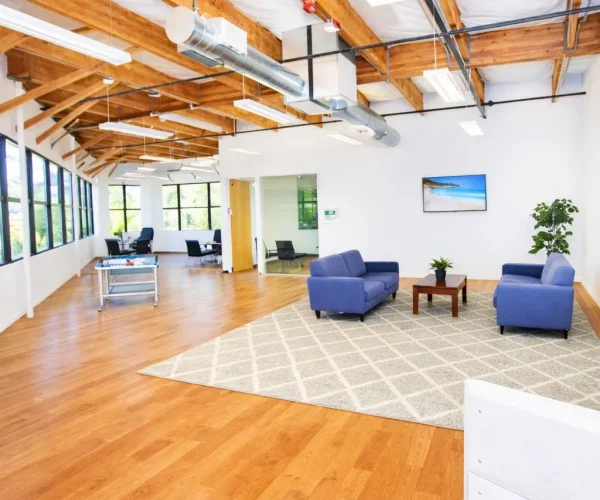
We are proud to serve the Laguna Hills community and the surrounding South Orange County area. Our facility is designed to be a calm, welcoming environment for healing.
Compassion Recovery Centers – IOP and PHP Programs in California
Address: 23141 Moulton Pkwy Suite 207, Laguna Hills, CA 92653
Phone: (949) 849-4362
Hours: Open 24 Hours
Located in: Moulton Business Park at Laguna Hills
Areas Served: Orange County and all of California (Virtual Programs Available)
Reaching out is the hardest part, but you do not have to do it alone. Our admissions team is standing by to listen to your story without judgment and help you find the best path forward.
We are 100% in Network Provider. Most of our clients pay $0 out of pocket.