

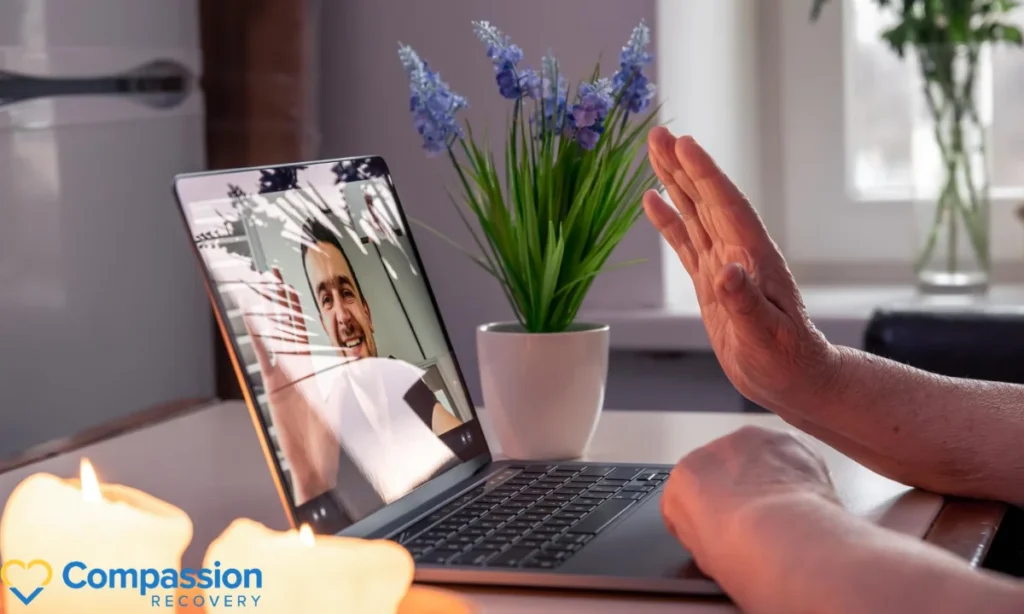
For many individuals struggling with substance use disorders or complex mental health challenges, the traditional barriers to care such as travel time, childcare needs, or the stigma of entering a physical facility, often prevent them from seeking help.
At Compassion Recovery Centers, we believe that a treatment should meet you where you are. This is why Virtual Intensive Outpatient Programs (IOP) have become a cornerstone of our mission. By utilizing a diverse array of types of therapies in virtual IOPs, we provide a structured, supportive environment that fosters healing without requiring patients to leave their homes.
In this comprehensive guide, we will explore the methodologies, modalities, and digital tools that define the modern virtual IOP experience.
What is Virtual IOP Therapy?
A Virtual Intensive Outpatient Program is a structured treatment model designed to provide comprehensive mental health and addiction support through secure and high-definition telehealth platforms. Unlike traditional outpatient therapy, which might only involve one hour of talk therapy per week, an IOP provides a much higher level of clinical dosage. This level of care is often the perfect solution for those who require more than a standard therapist can offer but do not need the 24/7 supervision of a residential facility.

According to standards set by the Substance Abuse and Mental Health Services Administration (SAMHSA), a standard IOP requires between 9 and 19 hours of structured treatment per week. When delivered virtually, this treatment involves several key components:
- Real-Time Video Conferencing: This is the primary method of delivery. It is not a pre-recorded video or a simple phone call, but a real-time, face-to-face interaction with licensed clinicians and peers that mirrors the intensity of an in-person meeting.
- Structured Weekly Schedules: Virtual IOP provides a rigorous schedule that typically spans three to five days per week as we do here through our California virtual IOP program . This structure is vital for those in early recovery who need a sense of routine to manage their symptoms or cravings.
- Continuity of Care: Virtual delivery supports continuity without the need for inpatient admission. This makes it an ideal step-down program for someone who has just completed a stay at a detox or residential center, or a step-up program for someone who feels their current outpatient care is not enough to keep them stable.
By removing the commute and the logistical headaches of physical travel, virtual IOP therapy allows patients to integrate their recovery directly into their daily lives. This means they can practice new coping skills in the very environment where they will ultimately use them, leading to a more sustainable long-term recovery.
Core Approaches That Define Virtual IOP Therapy
To be truly effective, a virtual program must be built on a foundation of evidence-based practices. At Compassion Recovery Centers, we utilize several core psychotherapeutic approaches that have been proven highly effective in a digital format. These approaches include:
What is Cognitive Behavioral Therapy (CBT) in Virtual IOP?
CBT is perhaps the most widely recognized evidence-based practice in the world of behavioral health. When searching for virtual IOP cognitive behavioral therapy remote options, patients are often looking for a way to identify and change the specific thought patterns that lead to self-destructive behaviors.

In a virtual setting, CBT is highly interactive and focuses on several key areas:
- Identifying Maladaptive Thoughts: This involves recognizing the negative internal monologues that tell us we aren’t good enough or that we can’t handle stress without a substance.
- Behavioral Restructuring: Through guided sessions, therapists help patients replace distorted thoughts with more balanced, realistic perspectives.
- Digital Integration: One of the benefits of the virtual format is the ability to use structured digital worksheets and tracking tools. Patients can share their screens with their therapists to review progress or use mobile apps to log triggers in real-time.
According to reports from the American Psychological Association (APA), CBT shows remarkable efficacy in treating both depression and anxiety, making it a staple of our virtual programming.
How does Dialectical Behavior Therapy (DBT) function online?
While CBT focuses on thoughts, DBT is designed to help those who struggle with extreme emotional dysregulation. In a virtual IOP, DBT functions as a skill-based module that teaches patients how to navigate their emotions without becoming overwhelmed.
DBT focuses on four primary pillars that are taught through live group skill-training sessions:
- Mindfulness: Learning to stay present in the moment without judgment.
- Distress Tolerance: Developing the strength to get through painful situations without making them worse.
- Emotional Regulation: Identifying and managing intense emotions.
- Interpersonal Effectiveness: Building healthy, assertive communication skills with others.
Because DBT is so structured, it translates perfectly to the video conferencing format. Patients learn how to sit with uncomfortable feelings and reduce self-harm behaviors, a methodology originally pioneered to save lives and improve the quality of daily existence.
What role does Motivational Interviewing (MI) play?
Recovery is rarely a linear path, and many individuals enter treatment feeling a sense of ambivalence. They may want to stop their substance use, but a part of them is still tied to the old lifestyle. This is where Motivational Interviewing becomes essential.
- Goal-Oriented Questioning: MI uses a specific style of questioning to increase a patient’s intrinsic motivation for change.
- Enhancing Adherence: Instead of a therapist telling a patient what to do, the therapist helps the patient discover their own reasons for wanting a better life, which increases the likelihood that they will stay in treatment.
- Supporting Outcomes: This approach significantly supports better addiction recovery outcomes because the drive for change comes from within the patient.
How is Acceptance and Commitment Therapy (ACT) applied?
ACT takes a slightly different approach by improving psychological flexibility. Rather than trying to eliminate difficult feelings, ACT teaches patients to accept them and commit to actions that align with their personal values. In our virtual sessions, ACT focuses on:
- Value-Driven Actions: Helping patients define what truly matters to them and taking steps toward those goals.
- Mindfulness Exercises: Using digital tools to lead patients through exercises that help them stay grounded.
- Reducing Avoidance: It is particularly effective at reducing experiential avoidance, which is the tendency to run away from pain through drugs, alcohol, or isolation.
Which Modalities Are Used in Virtual IOP Programs California?
A high-quality program does not rely on just one type of session. To provide comprehensive care, a virtual IOP must combine multiple modalities. These types of therapies in virtual IOPs ensure that every aspect of the patient’s life, from their internal psychology to their family dynamics, is addressed.
The role of Individual Therapy Sessions
Individual therapy is the “deep dive” portion of the program. These one-on-one video sessions provide a private space for personalized treatment plans. While group therapy is excellent for shared experience, individual therapy allows the clinician to:
- Target patient-specific triggers and personal history.
- Monitor progress on a granular level and adjust goals weekly.
- Support co-occurring disorders, such as when a patient is dealing with both a substance use disorder and a specific trauma like PTSD.
The role of Group Therapy Sessions
Group therapy is the heartbeat of the virtual IOP. Typically including 6 to 12 participants per session, these online meetings build peer support and shared accountability. We use structured discussion topics to ensure that the time is productive and focused on recovery skills.
The social reinforcement found in a group setting is incredibly powerful. When a patient sees a peer successfully navigate a difficult weekend, it provides hope and a roadmap for their own success. It also breaks the isolation that so often accompanies mental health struggles.
Role of Family Therapy in Virtual IOP
We often say that addiction and mental health issues affect the whole family, not just the individual. Virtual family therapy engages relatives to improve communication and recovery outcomes. Because the sessions are online, it is much easier for family members who live in different cities or have busy work schedules to participate.
- Addressing Dynamics: These sessions focus on mending communication breakdowns.
- Psychoeducation: We help relatives understand the nature of the condition so they can be better allies.
- Support Systems: It strengthens the environment the patient returns to after their sessions end for the day.
How does Medication Management integrate into Virtual IOP?
For many patients, therapeutic approaches are most effective when combined with psychiatric care. Our virtual IOP includes medication management through telehealth consultations.
- Psychiatric Evaluations: Psychiatrists meet with patients via secure video to assess their needs.
- Ongoing Monitoring: They adjust prescriptions based on progress and monitor for potential side effects.
- Dual Diagnosis Support: This ensures that the biological side of recovery is treated with the same intensity as the psychological side.
The Holistic Edge: Mindfulness and Wellness
At Compassion Recovery Centers, we believe in a whole-person approach to healing. This is why we integrate virtual IOP holistic approaches mindfulness yoga into our core curriculum. We understand that the mind and body are intrinsically linked and that true recovery requires addressing both.
- Virtual Mindfulness: We help patients learn to calm their nervous systems in the very place where they often feel the most stress, which is their home.
- Virtual Yoga: These sessions allow for somatic healing, helping patients release stored tension and trauma from their bodies.
- Whole-Person Care: These holistic approaches are not extras; they are essential tools that help round out a clinical program and provide patients with a diverse set of coping mechanisms.
Digital Tools That Enable Virtual IOP Delivery
The success of remote therapy relies on having the right technology to ensure a seamless and secure experience. At Compassion Recovery Centers, we prioritize technology that protects patient privacy while enhancing engagement through:
- HIPAA-Compliant Platforms: We use secure video software like Zoom for Healthcare or Doxy.me, ensuring that every conversation is encrypted and private.
- Mobile Engagement Apps: We integrate apps that allow for mood tracking and daily check-ins, giving patients a way to stay connected to their recovery goals between sessions.
- Electronic Health Records (EHR): These systems ensure that clinical documentation is accurate and that our entire team of doctors and therapists has a clear, up-to-date picture of each patient’s journey.
What Conditions Do Virtual IOP Modalities Treat?
Virtual IOP programs are designed to treat a wide range of psychiatric and behavioral conditions. By matching the right therapy approach to the specific condition, we can target the root causes of distress.
For more details on the conditions that we treat, we recommend you to go through our treatment page.
How Effective Are Virtual IOP Therapy Approaches?
One of the most frequent questions we hear is whether virtual therapy is as effective as in-person treatment. The data is clear: virtual IOP therapy shows comparable, and in some cases superior, outcomes to traditional programs.
- High Retention Rates: Recent studies report retention rates typically between 70% and 85%, suggesting that patients are just as likely to finish a virtual program as an in-person one.
- Reduced Barriers: Data from the National Institute of Mental Health shows that telehealth significantly reduces barriers like transportation and geography.
- Improved Accessibility: By making care accessible to those in rural populations or those with physical disabilities, virtual IOPs are closing the gap in mental health care across the country.
You can also read our blog on Is Virtual IOP Effective for Substance Abuse and Addiction Recovery?
What Are the Advantages of Virtual IOP Modalities?
The benefits of choosing a virtual path are numerous as we discussed, as it caters to the needs of the modern individual.
- Elimination of Travel: This reduces the stress, time, and cost associated with a daily commute.
- Expanded Provider Access: Patients are no longer limited to the specialists in their immediate town; they can work with the best clinicians in their state.
- Scheduling Flexibility: The virtual format allows many patients to maintain their employment or educational commitments while receiving intensive care.
- Real-World Application: Patients learn to stay sober and healthy in their natural living environment, rather than in an artificial residential setting.
What Are the Limitations of Virtual IOP Therapy?
While we are firm believers in the power of virtual care, we also recognize its limitations. Virtual delivery introduces certain challenges that require preparation:
- Technical Requirements: It requires stable and high-speed internet access to avoid disruptions during sensitive sessions.
- Non-Verbal Cues: It can sometimes limit the clinician’s ability to observe subtle changes in body language that are more apparent in person.
- Environment Concerns: Patients must be able to create a private and quiet space at home. If a patient’s home environment is chaotic, the effectiveness of the therapy can be compromised.
How Do Providers Choose the Right Approach and Modality?
The process of choosing the right approach is both an art and a science. Providers at Compassion Recovery Centers follow a structured path to ensure success:
- Assess Clinical Needs: We use the DSM-5 criteria to provide a gold-standard psychiatric diagnosis.
- Combine Modalities: We create a “tapestry” of care, perhaps pairing individual CBT sessions with a DBT skills group and medication management.
- Dynamic Adjustments: We adjust the treatment plan based on real-time outcomes. If a patient is excelling, we might shift the focus toward long-term life skills; if they are struggling, we increase the support.
The Future of Recovery
At Compassion Recovery Centers, we are dedicated to providing the highest quality types of therapies in virtual IOPs. We understand that every individual who comes to us is more than just a diagnosis; they are a person with a story, a family, and a future. By utilizing the best of modern technology and evidence-based psychotherapy, we help our patients rewrite their stories from the comfort of their own homes.
If you or a loved one is struggling, remember that help is only a screen away. The structure, support, and clinical expertise of an intensive outpatient program can be delivered directly to you, providing the foundation you need to build a life worth living.
Recovery is a journey of a thousand steps, but the first step is simply reaching out. Let us help you navigate the path to wellness with the compassion and clinical excellence you deserve. Through our virtual IOP, you can find the balance, healing, and hope that you have been looking for, supported by a team that is committed to your success every step of the way.