


Medical Director, Compassion Recovery Center

Licensed Psychologist (LP), Compassion Recovery Center
Veterans, the brave individuals who have dedicated their lives to serving our country, often return home bearing invisible wounds. Among these, Post-Traumatic Stress Disorder (PTSD) and substance abuse stand out as significant challenges, casting long shadows over their transition to civilian life. The experiences of combat, exposure to traumatic events, and the inherent stresses of military service can create a fertile ground for these conditions to develop. For veterans residing in areas like San Diego and Orange County, California, finding accessible, understanding, and effective treatment is paramount. However, traditional in-person rehab services can present numerous barriers, from stigma to logistical hurdles. This is where the innovation of Virtual Intensive Outpatient Programs (IOPs) offers a beacon of hope. A Virtual IOP Program provides comprehensive addiction and mental health treatment remotely, allowing veterans to receive care from the privacy and comfort of their own homes. This model of telehealth addiction treatment is not just a convenience; it’s a lifeline for many who might otherwise go without help.
At Compassion Recovery Center, we specialize in providing these crucial remote drug and alcohol rehab services. While we primarily serve Orange County, our telehealth capabilities extend to support individuals across California, including veterans in San Diego seeking specialized care for PTSD and co-occurring substance use disorders. We understand the unique culture, sacrifices, and specific needs of our nation’s heroes. Our mission is to deliver compassionate, evidence-based treatment that respects their experiences and empowers them on their journey to recovery. We believe that quality care should be within reach for everyone, especially those who have given so much. This post aims to shed light on the struggles faced by veterans with PTSD and substance abuse, the vital role of Veterans virtual IOP San Diego services, and how Compassion Recovery Center can be a partner in healing. If you or a loved one is a veteran facing these challenges, we want you to know that support is available, and recovery is possible. You can reach out today for a confidential conversation about your needs.
The path to recovery can seem daunting, especially when grappling with the complexities of PTSD and addiction. Many veterans may feel isolated, misunderstood, or hesitant to seek help due to concerns about how it might be perceived or the practical difficulties of attending regular appointments. Traditional treatment models, while valuable, may not always accommodate the lifestyles or specific anxieties of veterans. For instance, the commitment required for residential treatment can be disruptive to family life and employment, while standard outpatient programs might not offer the intensity needed for severe conditions. Virtual IOPs bridge this gap by offering a structured, intensive level of care that is both flexible and discreet. This innovative approach leverages technology to bring therapy sessions, support groups, and medical consultations directly to the veteran, fostering an environment of safety and accessibility. As we delve deeper into this topic, we will explore how these programs are uniquely positioned to support veterans in San Diego and beyond, helping them reclaim their lives from the grip of PTSD and substance abuse. Understanding the options is the first step, and Compassion Recovery Center is here to guide you through them. We encourage you to explore treatment options with us.

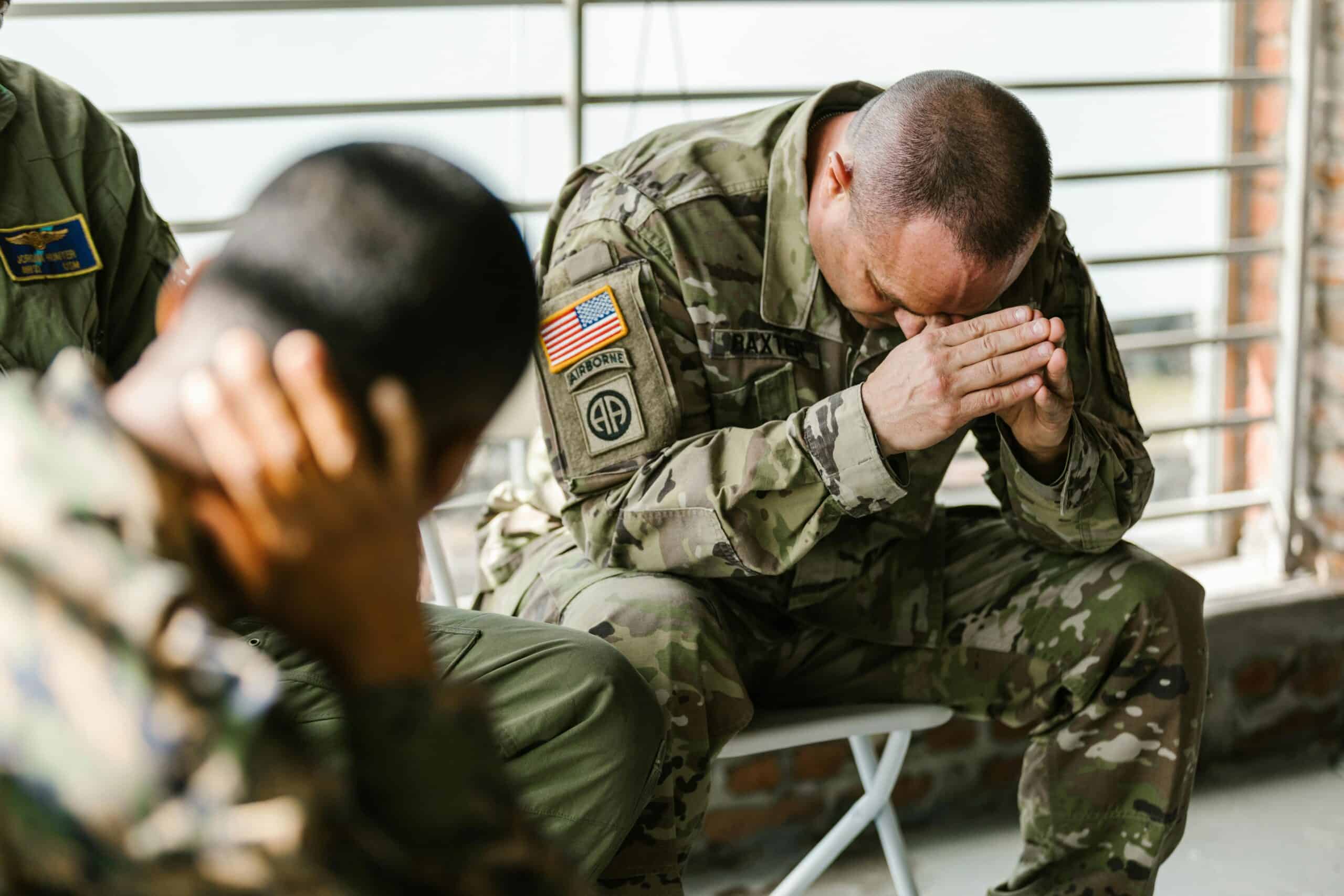
Post-Traumatic Stress Disorder (PTSD) is a mental health condition that can develop after an individual experiences or witnesses a terrifying event. For veterans, these events often relate to combat exposure, military sexual trauma (MST), training accidents, or other service-related incidents. The symptoms of PTSD can be pervasive and debilitating, significantly impacting a veteran’s daily life, relationships, and overall well-being. Common symptoms include re-experiencing the trauma through intrusive memories, flashbacks, or nightmares; avoidance of people, places, or situations that remind them of the trauma; negative changes in thoughts and mood, such as persistent fear, anger, guilt, or emotional numbness; and alterations in arousal and reactivity, like being easily startled, hypervigilant, having difficulty sleeping, or engaging in irritable outbursts. These symptoms can make it incredibly challenging to readjust to civilian life and can create a constant state of internal turmoil. The intensity of these experiences often leads individuals to seek ways to cope, unfortunately, sometimes through unhealthy means.
Substance abuse is a common co-occurring issue for veterans struggling with PTSD. Many turn to alcohol or drugs (including prescription medications like opioids or benzodiazepines, as well as illicit substances) as a form of self-medication to numb painful emotions, suppress traumatic memories, or manage anxiety and insomnia associated with PTSD. What might begin as an attempt to find temporary relief can quickly escalate into a substance use disorder (SUD), creating a new layer of complex problems. Alcohol, for example, is often used to dampen hyperarousal or to fall asleep, while stimulants might be used to combat the emotional numbness or depression associated with PTSD. Opioids might be initially prescribed for service-related injuries, but their use can become problematic if relied upon to cope with psychological pain as well. The high-stress environment of military service, coupled with the potential for physical injuries and the psychological toll of trauma, makes veterans particularly vulnerable. If you are concerned about your or a loved one’s substance use, our Drug Rehab Programs and Alcohol Rehab Programs offer specialized support.
The link between PTSD and substance abuse is well-documented and often cyclical, creating a dangerous pattern known as a dual diagnosis. The symptoms of PTSD can trigger substance use, and conversely, substance use can exacerbate PTSD symptoms, making them more frequent or intense. For instance, alcohol, a depressant, can worsen feelings of sadness and hopelessness common in PTSD. While it might offer temporary escape, the rebound effects after the substance wears off can heighten anxiety and irritability. Similarly, withdrawal symptoms from various substances can mimic or intensify PTSD symptoms, leading to a vicious cycle where the individual uses more of the substance to avoid both withdrawal and the underlying trauma-related distress. This co-occurrence necessitates an integrated treatment approach that addresses both conditions simultaneously. Treating only the substance abuse without addressing the underlying PTSD, or vice-versa, often leads to relapse and incomplete recovery. Compassion Recovery Center specializes in Dual Diagnosis Treatment, recognizing that comprehensive healing requires tackling these interconnected challenges together. Understanding this intricate relationship is crucial for developing effective PTSD substance abuse treatment veterans strategies, particularly within a flexible framework like Virtual rehab California.
For many veterans, acknowledging these struggles is the first, and often hardest, step. The military culture often emphasizes strength and resilience, which can, unfortunately, create an internal barrier to admitting vulnerability or seeking help for Mental Health Treatment. However, it’s vital to remember that PTSD and SUD are not signs of weakness but are treatable medical conditions. The path to recovery involves understanding these conditions, recognizing their impact, and accessing appropriate care. The courage shown on the battlefield is equally present in the decision to confront these challenges and seek a healthier future. Support systems, including specialized treatment programs and understanding communities, play a critical role in helping veterans navigate this complex interplay of trauma and addiction.
Veterans residing in San Diego, a city with a significant military presence and veteran population, face a unique set of challenges when it comes to accessing traditional, in-person rehabilitation services for PTSD and substance abuse. One of the most pervasive barriers is stigma. Despite growing awareness, seeking help for mental health or addiction issues can still be perceived negatively, particularly within a culture that values stoicism and self-reliance. This perceived stigma can deter veterans from seeking the treatment they desperately need. Beyond stigma, logistical difficulties abound. Many veterans may live in areas of San Diego County that are geographically distant from specialized VA facilities or private treatment centers. Transportation can be an issue, especially for those with service-connected disabilities, limited financial resources, or unreliable vehicles. For veterans who are parents or caregivers, the time commitment required for daily travel to and attendance at an in-person program can be nearly impossible to manage alongside family responsibilities. Work schedules, particularly for those transitioning into new civilian careers, often conflict with the fixed hours of traditional rehab programs. Furthermore, some veterans may experience heightened anxiety or PTSD triggers in unfamiliar clinical settings or crowded group environments, making the prospect of in-person treatment itself a source of stress.
Virtual Intensive Outpatient Programs (IOPs) offer a powerful solution to these challenges, bringing high-quality PTSD substance abuse treatment veterans directly into their homes in San Diego. The benefits of this Telehealth addiction treatment model are manifold. Firstly, accessibility is dramatically increased. A veteran only needs a stable internet connection and a private space to participate in therapy sessions, group meetings, and consultations. This eliminates geographical barriers, travel time, and associated costs, making treatment feasible for those in remote or underserved parts of the county. The flexibility of Veterans virtual IOP San Diego programs is another significant advantage. Many programs, like those offered by Compassion Recovery Center, provide scheduling options that can accommodate work, school, or family commitments, including evening sessions. This allows veterans to receive intensive care without completely disrupting their daily lives, promoting better adherence to treatment. Perhaps one of the most crucial benefits is privacy. Receiving treatment from the comfort and anonymity of one’s own home can significantly reduce the fear of stigma. This private setting can also be less intimidating and more conducive to open sharing for individuals who find traditional clinical environments triggering or uncomfortable. You can learn more about our accessible Virtual IOP Program and how it can fit your life.
Virtual IOPs are uniquely positioned to address the specific needs of veterans. Therapists and counselors delivering care via telehealth can be specifically trained in military culture and veteran-specific trauma, ensuring that the treatment approach is understanding, respectful, and relevant. These programs can create specialized virtual groups exclusively for veterans, fostering a sense of camaraderie and shared experience that is often vital for healing. In such groups, veterans can connect with peers who genuinely understand their struggles, reducing feelings of isolation and creating a powerful support network. The virtual format also allows for easier integration of family members into the treatment process, if desired and appropriate. Family therapy sessions can be conducted remotely, helping loved ones understand PTSD and addiction, learn how to provide effective support, and address relationship challenges. This comprehensive, accessible, and private approach makes Virtual rehab California an increasingly preferred option for veterans seeking lasting recovery. If you’re unsure about your coverage, you can check insurance coverage easily on our website. At Compassion Recovery Center, we believe that these tailored telehealth solutions are key to reaching more veterans in San Diego and helping them build a foundation for a healthier future.
Moreover, the home environment itself can become an integral part of the recovery process when treatment is delivered virtually. Veterans learn and practice coping skills in the very setting where they will encounter daily stressors and triggers. This “real-world” application can lead to more robust and sustainable recovery outcomes compared to learning skills in a cloistered clinical environment and then trying to transfer them back home. The ability to immediately apply therapeutic strategies in familiar surroundings can significantly enhance self-efficacy and resilience. The comfort of home can also reduce physiological stress, allowing veterans to be more receptive to therapeutic interventions. For those with mobility issues or chronic pain, eliminating the need to travel to a facility can make consistent participation in an intensive program possible where it otherwise wouldn’t be. The thoughtful design of virtual IOPs, focusing on engagement, support, and evidence-based practices, ensures that veterans in San Diego can access the high level of care they deserve, in a way that truly meets their needs.
Use our quick & easy insurance verification to find out if you’re covered for our centers. We accept all major insurance.






A Virtual Intensive Outpatient Program (IOP) designed for veterans mirrors the structure and intensity of a traditional in-person IOP but delivers services remotely using secure telehealth technology. Typically, an IOP involves several hours of therapeutic programming, multiple days per week – often three to five days, for three to four hours each day. This level of care is more intensive than standard outpatient therapy but less so than residential treatment or a Partial Hospitalization Program (PHP), allowing individuals to live at home and often continue with work or family responsibilities. A Virtual IOP Program for veterans would generally include a combination of core components: individual therapy sessions, group therapy, psychoeducational workshops, and, where appropriate, family therapy. Individual sessions provide a one-on-one setting for veterans to work privately with a therapist on personal issues, trauma processing, and specific treatment goals. Group therapy is a cornerstone of IOP, offering a supportive environment where veterans can share experiences, learn from peers, reduce feelings of isolation, and practice new coping skills. Psychoeducational groups focus on specific topics relevant to recovery, such as understanding addiction, managing PTSD symptoms, relapse prevention, stress management, and building healthy relationships. The schedule for a Veterans virtual IOP San Diego is designed to be robust yet flexible enough to accommodate the complexities of a veteran’s life, with some programs offering evening or adjusted daytime hours. At Compassion Recovery Center, we strive to create a schedule that facilitates engagement and supports recovery effectively. For a detailed look at what a typical day might involve, you might find our blog post on what a day in rehab looks like inside an IOP schedule insightful.
The therapeutic modalities used in a virtual IOP for veterans are evidence-based and tailored to address both PTSD and substance abuse. Cognitive Behavioral Therapy (CBT) is a highly effective approach, and Online CBT therapy is a key component. CBT helps veterans identify and challenge distorted thought patterns and maladaptive behaviors that contribute to PTSD symptoms and substance use. For example, a veteran might learn to reframe catastrophic thoughts about a traumatic memory or develop healthier responses to triggers that lead to cravings. Trauma-focused CBT (TF-CBT) specifically addresses the impact of trauma. Another vital therapy is Medication-Assisted Treatment (MAT), which can be effectively managed via telehealth. MAT treatment online combines FDA-approved medications (such as naltrexone for alcohol or opioid use disorder, or buprenorphine for opioid use disorder) with counseling and behavioral therapies. These medications can help reduce cravings, alleviate withdrawal symptoms, and block the euphoric effects of opioids or alcohol, significantly improving treatment retention and outcomes. Other therapeutic approaches often incorporated include Dialectical Behavior Therapy (DBT) for emotional regulation and distress tolerance, Motivational Interviewing to enhance motivation for change, and Eye Movement Desensitization and Reprocessing (EMDR) for trauma processing, which can sometimes be adapted for telehealth. Mindfulness practices and stress reduction techniques are also frequently taught to help veterans manage anxiety and stay present. The specific blend of therapies is always individualized based on the veteran’s unique needs and treatment goals. Our approach to Dual Diagnosis Treatment ensures these therapies are integrated seamlessly.
Telehealth technology is the backbone of a virtual IOP, enabling continuous and comprehensive support. Beyond scheduled therapy sessions, telehealth platforms offer secure messaging systems for veterans to communicate with their therapists or case managers between sessions, providing a safety net for moments of crisis or when extra support is needed. These platforms ensure privacy and confidentiality, adhering to HIPAA regulations. Digital tools and resources, such as online workbooks, educational materials, and apps for tracking mood or cravings, can supplement therapy. For veterans who may be less familiar with technology, onboarding support and technical assistance are typically provided to ensure they can comfortably and effectively participate. The role of telehealth extends to facilitating Outpatient Detox support when appropriate and medically supervised, allowing for a safer and more comfortable withdrawal process at home for some individuals. This continuous, accessible support system is crucial for helping veterans stay engaged in treatment and navigate the challenges of early recovery. The ability to access care consistently, without the logistical burdens of in-person visits, makes Telehealth addiction treatment a powerful tool in supporting veterans. If you’re wondering what to prepare for this type of program, our guide on what to pack and prepare for virtual rehab can be helpful.
Furthermore, case management plays a significant role within the virtual IOP structure. Case managers work closely with veterans to coordinate care, connect them with community resources (such as housing assistance, employment services, or peer support groups like AA/NA or veteran-specific support networks), and help them navigate any systemic barriers they might face. This holistic approach ensures that the veteran’s broader needs, which can significantly impact recovery, are addressed. Regular progress reviews and treatment plan adjustments are also integral, ensuring the care remains responsive to the veteran’s evolving needs. The collaborative nature of the treatment team, all accessible through telehealth, creates a cohesive and supportive environment focused entirely on the veteran’s well-being and long-term recovery. This comprehensive support system, delivered virtually, is what makes virtual IOPs a robust and effective option for veterans dealing with the complexities of PTSD and substance abuse.
One of the most significant advantages of a Virtual Intensive Outpatient Program for veterans struggling with PTSD and substance abuse is its unparalleled flexibility and accessibility. For veterans in San Diego, who may be juggling work, family obligations, educational pursuits, or managing service-related disabilities, the ability to access high-quality treatment without the need for daily travel to a physical facility is transformative. This Telehealth addiction treatment model allows them to integrate intensive therapy into their existing lives, rather than putting their lives on hold. Sessions can often be scheduled during evenings or at other times that minimize disruption to daily routines. This flexibility is crucial not only for starting treatment but also for sustaining engagement over the necessary duration. Accessibility extends beyond just scheduling; it means veterans in more remote areas of San Diego County, or those with mobility issues, can receive the same level of care as someone living next door to a treatment center. All that’s required is a private space and a reliable internet connection. This ease of access removes significant barriers that often prevent veterans from seeking or continuing care, making Veterans virtual IOP San Diego a highly practical solution. Individuals in Orange County and other parts of California also benefit from this widespread accessibility, making comprehensive Remote drug rehab Orange County services a reality. Consider exploring how a virtual IOP fits into a busy schedule to understand its adaptability.
The privacy and comfort afforded by receiving treatment from home are invaluable benefits, particularly for veterans. Many veterans are concerned about the stigma associated with seeking help for PTSD or substance abuse, and the thought of being seen entering a rehab facility can be a major deterrent. Virtual IOPs allow them to participate in individual and group therapy sessions from the sanctuary of their own homes, ensuring complete discretion. This heightened sense of privacy can make it easier for veterans to open up and engage more honestly in therapy. Furthermore, the familiarity and safety of one’s home environment can reduce anxiety and make individuals more receptive to therapeutic interventions. For veterans with PTSD, who may experience hypervigilance or feel easily overwhelmed in unfamiliar or crowded settings, being in a controlled, comfortable space can significantly enhance their ability to focus and participate. Learning and practicing coping skills in the actual environment where they will be applied daily also reinforces their effectiveness and promotes long-term integration into daily life. This aspect of Virtual rehab California cannot be overstated, as it directly addresses common anxieties and preferences that might otherwise hinder treatment engagement.
While the delivery method is modern, the foundations of virtual IOPs are rooted in evidence-based practices, leading to positive outcomes and compelling success stories. Numerous studies have demonstrated that telehealth-delivered mental health and substance abuse treatment, including IOPs, can be as effective as in-person care. Core therapeutic modalities like Online CBT therapy and MAT treatment online have strong research backing for their efficacy in treating PTSD and SUDs. Success in a virtual IOP is measured by a reduction in PTSD symptoms, decreased substance use or abstinence, improved coping mechanisms, better emotional regulation, enhanced daily functioning, and overall improved quality of life. While Compassion Recovery Center respects client confidentiality and doesn’t share specific case studies without explicit consent, the collective experience shows that veterans who actively participate in our virtual programs consistently make significant strides in their recovery. They report feeling more empowered, less isolated, and better equipped to handle life’s challenges without resorting to substances. The convenience and support offered by virtual care often lead to higher treatment retention rates, which is a key predictor of long-term success. Many find that the skills and insights gained provide a solid foundation for ongoing recovery and a more hopeful future. We encourage you to contact us for a confidential assessment to discuss how our program can support your journey.
Another often-overlooked benefit is the reduced financial burden associated with virtual treatment. While the cost of the program itself needs to be considered (and often covered by insurance), virtual IOPs eliminate ancillary costs such as transportation (gas, public transport fares, vehicle maintenance), childcare that might be needed to attend in-person sessions, and time taken off work for travel. These savings can be substantial, making intensive treatment more financially accessible for many veterans and their families. Furthermore, the skills learned in a virtual IOP, such as stress management and improved interpersonal communication, can have positive ripple effects on a veteran’s employment stability and family relationships, contributing to overall financial and emotional well-being. The ability to maintain employment while undergoing treatment is a critical factor for many, and virtual IOPs make this a viable option. This holistic approach, considering both clinical effectiveness and practical life factors, underscores the comprehensive benefits of virtual care for veterans facing PTSD and substance abuse.
At Compassion Recovery Center, we are dedicated to providing specialized and empathetic care to veterans grappling with PTSD and substance abuse. Our core service revolves around a robust Virtual IOP Program, which forms the cornerstone of our Telehealth addiction treatment offerings. This program delivers multiple hours of therapy and support several days a week, all accessible remotely. Within this framework, we provide expert Online CBT therapy, a highly effective method for addressing the thought patterns and behaviors associated with both PTSD and addiction. We also integrate MAT treatment online (Medication-Assisted Treatment) for individuals struggling with alcohol or opioid dependence, managed carefully by our medical professionals via telehealth to ensure safety and efficacy. Our services extend to comprehensive Dual Diagnosis Treatment, recognizing that PTSD and substance use disorders are often intertwined and require an integrated approach. For those needing a higher level of care initially, or as a step-down, we can discuss options such as virtual Partial Hospitalization Program (PHP) elements if appropriate, and we provide support for Outpatient Detox where clinically indicated and feasible through telehealth. Our primary focus is delivering these vital services to residents of Orange County, but our virtual platform allows us to extend our reach to veterans in San Diego and across California, providing accessible Remote drug rehab Orange County and statewide solutions.
Compassion Recovery Center takes particular care in tailoring our programs for veterans. We understand that military service, combat exposure, and the transition to civilian life present unique stressors and potential traumas that require a specialized therapeutic approach. Our clinical team includes professionals experienced in working with military personnel and veterans, who are knowledgeable about military culture and the specific manifestations of PTSD in this population. Our treatment is always trauma-informed, meaning we recognize the pervasive impact of trauma and aim to create an environment of safety, trustworthiness, transparency, peer support, collaboration, and empowerment. We strive to offer veteran-specific group therapy sessions when possible, allowing individuals to connect with peers who have shared experiences, fostering a unique sense of camaraderie and understanding that can be profoundly healing. We work to build a supportive online community where veterans feel respected, heard, and validated. The curriculum within our psychoeducational groups often includes topics highly relevant to veterans, such as managing anger, coping with grief and loss, rebuilding relationships, and finding purpose after service. We believe that this culturally sensitive and individualized approach is key to effective PTSD substance abuse treatment veterans.
While we maintain strict client confidentiality and do not disclose specific success rates without rigorous, ethically approved research protocols, the feedback we receive from veterans and their families who have participated in our programs is overwhelmingly positive. Many individuals report significant reductions in their PTSD symptoms, sustained sobriety, improved relationships, and a renewed sense of hope and purpose. The efficacy of our approach is rooted in our commitment to evidence-based therapies, individualized care plans, and a deeply compassionate team. We witness firsthand the courage and resilience of veterans as they engage in the hard work of recovery, and we are honored to be part of their journey. Our goal is to empower each veteran with the tools, insights, and support they need to not just overcome addiction and manage PTSD, but to thrive in their post-service lives. We encourage anyone considering treatment to reach out today for a confidential discussion about how our programs can specifically help. Our team is ready to answer your questions and provide information about the potential for positive change. Many individuals find that taking this first step, exploring their options, is an empowering act that sets the stage for healing. We also offer a Free Assessment to help determine the most appropriate level of care.
Our commitment extends beyond the formal therapy sessions. We emphasize relapse prevention planning from the outset, helping veterans identify their unique triggers and develop robust coping strategies. We also support them in building strong sober support networks, which may include connecting them with veteran-specific community resources or 12-step programs. Aftercare planning is another critical component, ensuring that veterans have a roadmap for continued support and growth after completing the virtual IOP. This might involve transitioning to a less intensive outpatient program, individual therapy, or community support groups. The holistic well-being of each veteran is our priority, and our comprehensive approach reflects this. We understand that recovery is an ongoing journey, and Compassion Recovery Center aims to provide a solid foundation and the necessary tools for lifelong wellness. Our team is dedicated to adapting our services to meet the evolving needs of the veterans we serve, ensuring that our Veterans virtual IOP San Diego and broader California offerings remain at the forefront of effective and accessible care.
Accessing Virtual Intensive Outpatient Program (IOP) services with Compassion Recovery Center, whether you are a veteran in San Diego, Orange County, or elsewhere in California, is designed to be a straightforward and supportive process. We understand that taking the first step can be the most challenging, so we’ve streamlined our admissions to be as clear and compassionate as possible. Here’s how you can begin your journey:
Understanding your insurance and payment options is a critical part of accessing treatment. Compassion Recovery Center is committed to making this process as smooth as possible. We accept a wide range of PPO insurance plans. Our admissions specialists are skilled in navigating the complexities of insurance coverage for PTSD substance abuse treatment veterans and Telehealth addiction treatment. They will work directly with your insurance company to verify your benefits, understand any pre-authorization requirements, and clarify any co-payments or deductibles you might be responsible for. For veterans, we can also help explore if any VA benefits or community care programs might interface with our services, although we are a private treatment provider. If you are facing financial challenges, please discuss this openly with our team. We are dedicated to helping you find a path to care. Sometimes, understanding specific laws like California’s parity laws for addiction treatment can also be empowering.
Getting started is often the hardest part, but we are here to support you every step of the way. If you are a veteran in San Diego or anywhere in California struggling with PTSD and substance abuse, or if you are a concerned family member, please do not hesitate to connect with Compassion Recovery Center. Our primary contact information is readily available on our website. You can call us directly or fill out our secure online inquiry form. Our team is ready to provide information, answer your questions in a supportive and non-judgmental manner, and help you determine if our Virtual rehab California services are the right fit. Remember, seeking help is a sign of strength and courage. Your service to our country is deeply appreciated, and you deserve access to the best possible care to help you heal and build a brighter future. Take that brave first step: get help now and let us be a partner in your recovery. Our Admissions Information page also provides a wealth of details about beginning the process.
We understand that technology can sometimes feel like a barrier, especially if you’re not accustomed to using video conferencing or online platforms. As part of our onboarding process, we provide clear instructions and support to ensure you feel confident using the telehealth tools required for our virtual IOP. This might include a test call, a simple tutorial, or troubleshooting assistance. Our aim is to make the technological aspect seamless so you can focus entirely on your recovery. The platforms we use are secure, HIPAA-compliant, and user-friendly, designed to protect your privacy while facilitating meaningful therapeutic engagement. We want every veteran to feel comfortable and empowered to participate fully in all aspects of their treatment program, from individual sessions to group discussions.
The journey home for veterans is often fraught with challenges that civilians may never fully comprehend. The lingering impact of traumatic experiences can manifest as PTSD, and the struggle to cope can lead to substance abuse, creating a complex web of co-occurring disorders. For veterans in San Diego and across California, accessing effective and understanding treatment is not just a need but a right they have earned through their service. Traditional treatment modalities, while beneficial for some, often present insurmountable barriers related to stigma, logistics, privacy, and personal comfort. This is where the innovative approach of Virtual Intensive Outpatient Programs (IOPs) shines as a beacon of hope. Veterans virtual IOP San Diego services offer a lifeline, providing comprehensive, evidence-based PTSD substance abuse treatment veterans directly in the safety and privacy of their own homes. The flexibility of Telehealth addiction treatment allows veterans to integrate intensive care into their daily lives, maintain essential responsibilities, and engage in recovery without the fear of judgment or the burden of travel.
We, at Compassion Recovery Center, stand ready to support our nation’s heroes on their path to healing. Our specialized Virtual IOP Program, enriched with Online CBT therapy, MAT treatment online, and a trauma-informed approach, is specifically designed to address the unique needs of veterans. We understand the courage it takes to confront these invisible wounds, and we are committed to providing a compassionate, respectful, and effective therapeutic environment. While our primary service area is Orange County, our telehealth capabilities allow us to extend this vital support to veterans throughout California, including those in San Diego seeking accessible Remote drug rehab Orange County style services. We believe that recovery is possible for every veteran, and that a life free from the grip of PTSD and addiction is achievable. The strength and resilience that defined your service are the same qualities that will fuel your recovery.
If you are a veteran reading this, or a loved one seeking help for a veteran, we encourage you to take that courageous first step. Acknowledge the struggle, understand that you are not alone, and know that effective help is available. Reaching out is not a sign of weakness; it is an act of profound strength and self-compassion. Compassion Recovery Center is more than just a treatment provider; we aim to be a partner in your journey, offering guidance, support, and the clinical expertise needed to navigate the complexities of recovery. Your well-being is our utmost priority. Let us help you reclaim your life and build a future filled with peace, purpose, and hope. We invite you to contact us for a confidential assessment or to simply learn more about how we can support you. Your journey to healing can begin today; please start your recovery journey today. The path forward may seem uncertain, but with the right support, it leads to a brighter horizon.
Researchers and doctors are making exciting progress in understanding mental health and addiction—bringing hope to millions.
Genetics can play a part, but they don’t decide your future. Mental health is shaped by many factors, and healing is always possible.
The right treatment often includes a mix of therapy, medication, and compassionate care—tailored just for you.




We are 100% in Network Provider. Most of our clients pay $0 out of pocket.