


Medical Director, Compassion Recovery Center

Licensed Psychologist (LP), Compassion Recovery Center
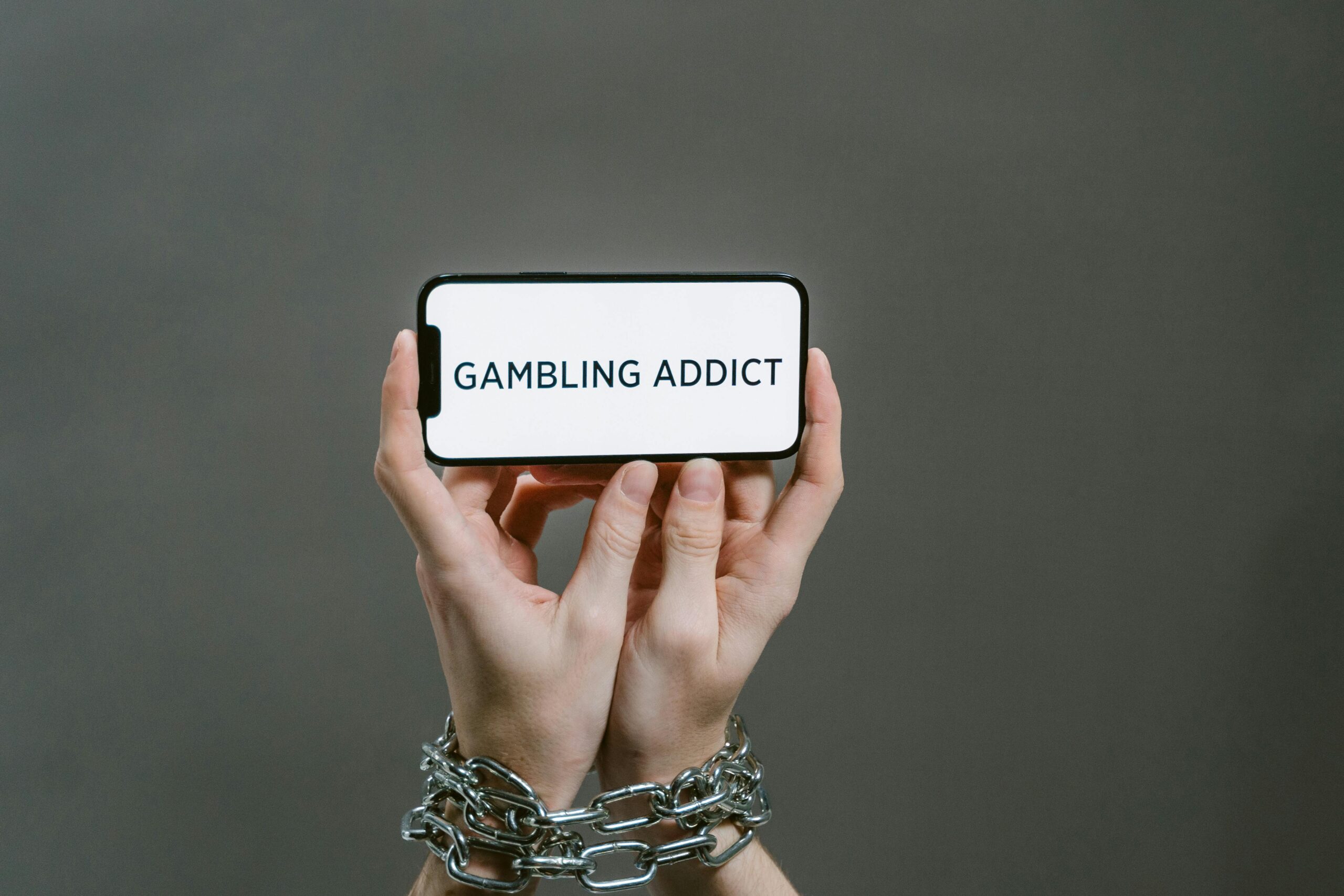
Problem gambling, often a hidden addiction, casts a significant shadow over individuals and families across California. From the allure of casinos and card rooms to the ever-present reach of online betting platforms, the opportunities to gamble are widespread, and so too are the risks of developing a gambling disorder. In a state known for its vibrant entertainment scene, it’s crucial to acknowledge that for some, what starts as a harmless pastime can escalate into a serious problem with devastating consequences. The impact isn’t just financial; it seeps into mental health, relationships, and overall well-being. Recognizing the signs and understanding the severity of problem gambling is the first step towards healing. But what comes next? For many Californians, especially those in bustling areas like Orange County or more remote regions, accessing timely and effective support can be a challenge. Traditional in-person treatment may not always be feasible due to work schedules, family commitments, geographical distance, or the deeply personal nature of gambling addiction, which often carries a heavy burden of shame and secrecy.
This is where the importance of accessible support cannot be overstated. When help is hard to reach, individuals are more likely to suffer in silence, allowing the problem to deepen. The need for flexible, confidential, and effective treatment options is paramount. Fortunately, advancements in technology have paved the way for innovative solutions. One such solution making significant strides in addiction treatment is the Virtual Intensive Outpatient Program (IOP). A Virtual IOP Program offers a lifeline to those struggling with problem gambling, providing comprehensive therapy and support directly to them, wherever they are. This model breaks down many of the traditional barriers to care, making recovery a more attainable reality. At Compassion Recovery Center, we specialize in providing these types of telehealth services, offering a compassionate and effective path forward for individuals and families affected by problem gambling throughout California. If you or someone you know is struggling, we encourage you to reach out today for a confidential conversation about how we can help.

Problem gambling, also known as gambling disorder or compulsive gambling, is a recognized mental health condition characterized by a persistent and recurrent problematic gambling behavior leading to clinically significant impairment or distress. It’s more than just a bad habit or a moral failing; it’s a complex addiction that can hijack a person’s thoughts, feelings, and actions. Understanding its definition and recognizing its signs are crucial for early intervention and effective treatment. The signs can be subtle at first but tend to escalate over time. Key indicators include a preoccupation with gambling, needing to gamble with increasing amounts of money to achieve the desired excitement (tolerance), unsuccessful efforts to control, cut back, or stop gambling, and restlessness or irritability when attempting to cut down or stop gambling (withdrawal symptoms). Individuals may gamble to escape problems or relieve feelings of helplessness, guilt, anxiety, or depression. A common, destructive pattern is “chasing losses” – trying to win back lost money by gambling more, often leading to a deeper financial hole. Lying to family members, therapists, or others to conceal the extent of involvement with gambling is another hallmark. Many individuals with problem gambling jeopardize or lose significant relationships, jobs, or educational/career opportunities. They may also resort to borrowing money, selling possessions, or even illegal acts like fraud or theft to finance their gambling.
The impact of problem gambling extends far beyond the individual gambler, creating a ripple effect that touches families, finances, and communities. For the individual, the consequences can be devastating: severe debt, bankruptcy, loss of employment, and legal issues. Mental health often suffers significantly, with high rates of co-occurring conditions such as depression, anxiety disorders, and substance use disorders. The stress and despair associated with uncontrolled gambling can even lead to suicidal thoughts and attempts. For families, the emotional and financial toll can be immense. Partners and children may experience feelings of betrayal, anger, fear, and insecurity. Financial instability caused by gambling losses can lead to arguments, loss of trust, and even family breakdown. The constant worry and stress can also impact the physical and mental health of family members. If you are concerned about a loved one, learning how to communicate with them about their substance use (or gambling) is a critical first step, and professional guidance can be invaluable.
In California, problem gambling is a significant public health concern. While exact numbers can be difficult to pinpoint due to the hidden nature of the addiction, studies and surveys provide some insight. For instance, the California Council on Problem Gambling (CCPG) reports that a percentage of the adult population experiences gambling problems, with many more at risk. The increasing accessibility of online gambling and sports betting is a growing concern, potentially leading to higher rates of addiction, especially among younger demographics and those who can easily access these platforms from their homes or mobile devices. This ease of access underscores the need for equally accessible treatment options, such as Virtual IOP for problem gambling. Statistics also show a high co-occurrence of problem gambling with other addictions, like alcohol or drug dependency. Compassion Recovery Center recognizes this and offers Dual Diagnosis Treatment to address these complex, intertwined issues. Understanding these statistics helps to frame the urgency and highlights why comprehensive, easily accessible services are vital for Californians. If you suspect you or a loved one might be facing this challenge, it’s important to know that you’re not alone and effective help is available. Consider starting with a Free Assessment to understand your options.
A Virtual Intensive Outpatient Program (IOP) represents a significant evolution in how addiction treatment, including for problem gambling, is delivered. It harnesses the power of technology to provide comprehensive, structured therapy and support remotely. Unlike traditional residential rehab, an IOP allows individuals to live at home and maintain many of their daily responsibilities, such as work or school, while engaging in a rigorous treatment schedule. A “virtual” IOP simply means that these services are delivered online, typically through secure video conferencing platforms, web-based educational modules, and digital communication tools. These programs usually involve several hours of therapy per day, multiple days a week, encompassing a mix of individual counseling, group therapy, and educational sessions. The “intensive” nature refers to the frequency and depth of therapeutic engagement, which is more concentrated than standard outpatient care but less than a partial hospitalization program (PHP) or inpatient treatment. Compassion Recovery Center’s Virtual IOP Program is designed to offer this level of care with maximum flexibility and accessibility for residents throughout California, including Orange County.
So, how does a Virtual IOP specifically work for problem gambling? The core principles of addiction treatment apply, but they are tailored to address the unique aspects of gambling disorder. Treatment focuses on helping individuals understand the psychological underpinnings of their gambling, identify triggers (which can be emotional, situational, or even digital, like online betting app notifications), and develop effective coping strategies to resist urges and prevent relapse. Key therapeutic modalities like Cognitive Behavioral Therapy (CBT) are highly effective and adapt well to an online format. Through virtual sessions, therapists guide clients in challenging irrational thoughts associated with gambling (e.g., belief in “hot streaks” or chasing losses), managing financial problems, and rebuilding healthy routines and relationships. Group therapy sessions, conducted via video conference, create a supportive community where individuals can share experiences, learn from peers facing similar struggles, and combat the isolation that often accompanies problem gambling. Educational components might cover topics like the neurobiology of addiction, financial literacy, stress management, and communication skills. For those who may also struggle with co-occurring substance use, a virtual IOP can integrate support for these issues, sometimes incorporating aspects of Drug Rehab Programs or Alcohol Rehab Programs into the treatment plan.
When comparing Virtual IOP to traditional in-person IOP for problem gambling, several key differences and advantages emerge, particularly for the virtual model. Traditional IOPs require commuting to a facility, which can be a barrier due to time, transportation costs, or geographical distance. Virtual IOPs eliminate these hurdles entirely, offering treatment directly in one’s home. This is a significant benefit for individuals in rural areas or those with mobility issues. Privacy is another major factor; while all treatment is confidential, the anonymity of receiving care at home can be particularly appealing for those struggling with the stigma associated with problem gambling. Scheduling is often more flexible with virtual programs, making it easier to balance treatment with work, family, or educational commitments—a crucial aspect discussed in how virtual IOP fits into a busy schedule. While in-person programs offer direct face-to-face interaction, modern telehealth platforms are designed to foster strong therapeutic alliances and engaging group dynamics. For many, the comfort and familiarity of their own environment can even enhance their ability to engage with therapy. Compassion Recovery Center’s Intensive Outpatient Program (IOP) options are designed to provide this effective, modern approach to care.
Use our quick & easy insurance verification to find out if you’re covered for our centers. We accept all major insurance.






The shift towards telehealth and virtual treatment models has unlocked numerous benefits for individuals seeking help for problem gambling. These advantages make recovery more accessible, manageable, and sustainable for a wider range of people. Understanding these benefits can empower you or your loved one to consider a Virtual IOP for problem gambling as a viable and effective path to recovery.
One of the most significant benefits is unparalleled accessibility and convenience. For residents across California, from bustling urban centers like those in Orange County to more remote or underserved communities, geographical location is no longer a barrier to receiving high-quality care. There’s no need to factor in commute times, traffic, or transportation costs. Individuals can access therapy sessions and support groups from the comfort and privacy of their own homes, or any location with a stable internet connection. This level of convenience is particularly crucial for those with physical disabilities, limited mobility, or those living in areas with few specialized treatment providers. As highlighted in Accessibility in Recovery: How Virtual Treatment Reaches Underserved Communities, telehealth breaks down many traditional obstacles to care. This ease of access can mean the difference between seeking help and continuing to struggle in silence.
Another key advantage is flexibility in scheduling. Many individuals struggling with problem gambling are also trying to maintain jobs, care for families, or attend school. Traditional in-person programs often have rigid schedules that can be difficult to accommodate. Virtual IOPs, like those offered by Compassion Recovery Center, often provide more flexible scheduling options, including evening or weekend sessions. This adaptability allows individuals to integrate treatment into their existing lives with less disruption, making it more feasible to commit to the program for its full duration. For working professionals, this means they may not have to take extended leave from work, and for parents, it can mean fitting therapy around childcare responsibilities. The ability to schedule treatment around life’s demands is a powerful enabler for recovery, as detailed in Scheduling Rehab Around Work and Life.
Privacy and confidentiality are paramount in addiction treatment, and this is especially true for problem gambling, which can carry a heavy weight of shame and stigma. Virtual IOPs offer an inherent level of discretion that many find reassuring. There’s no need to be seen entering a clinic or treatment center, which can be a significant concern for individuals worried about judgment from their community or workplace. Therapy sessions are conducted on secure, HIPAA-compliant platforms, ensuring that personal information and discussions remain private. This enhanced sense of privacy can make individuals feel more comfortable opening up and engaging honestly in therapy, which is crucial for effective treatment. The ability to seek help discreetly can be a major factor in someone’s decision to finally address their gambling problem.
Finally, cost-effectiveness can also be a benefit of virtual IOPs. While program costs vary, virtual programs may have lower overheads than traditional brick-and-mortar facilities, which can sometimes translate into more affordable treatment options. Additionally, individuals save on indirect costs associated with in-person treatment, such as fuel, public transportation, parking, and potentially childcare. Many insurance plans now cover telehealth services, including virtual IOPs for mental health and addiction treatment. Compassion Recovery Center can help you verify your insurance online to understand your coverage for our Virtual IOP Program. Understanding your financial options and potentially reducing the overall cost burden makes treatment more accessible and less stressful, allowing the focus to remain on recovery.
A comprehensive Virtual Intensive Outpatient Program (IOP) for problem gambling is built upon several core therapeutic components, each playing a vital role in the recovery process. These elements are delivered remotely using secure technology, ensuring that individuals receive high-quality, evidence-based care tailored to the unique challenges of gambling addiction. Understanding these components can help individuals and their families know what to expect and appreciate the depth of support offered by programs like those at Compassion Recovery Center.
A cornerstone of most effective problem gambling treatment programs, whether virtual or in-person, is Cognitive Behavioral Therapy (CBT) sessions. CBT is a type of psychotherapy that helps individuals identify, challenge, and change unhelpful thought patterns and behaviors. For problem gambling, online CBT therapy focuses on several key areas. It helps individuals recognize the distorted thinking that fuels gambling, such as gambler’s fallacy (believing past random events influence future ones), illusions of control, or chasing losses. Therapists work with clients to develop skills to cope with gambling urges and triggers, manage stress without resorting to gambling, and solve problems that may have contributed to or resulted from their gambling. CBT also often involves developing relapse prevention strategies and setting realistic, healthy life goals. These sessions are typically conducted one-on-one with a therapist via video conferencing, providing a focused and personalized approach to recovery.
Group therapy and peer support form another critical pillar of Virtual IOPs. In these sessions, a small group of individuals also struggling with problem gambling meet regularly with a therapist facilitating the discussion. These virtual groups provide a safe and supportive environment where members can share their experiences, challenges, and successes without judgment. Hearing from others who truly understand what they are going through can significantly reduce feelings of isolation and shame, which are common in gambling addiction. Peer support fosters a sense of community and accountability. Members learn from each other’s coping strategies, offer mutual encouragement, and can build a sober support network that extends beyond the formal treatment program. Virtual platforms use features like video and chat to facilitate dynamic and engaging group interactions, making these sessions highly effective even in a remote setting.
While group therapy offers shared experiences, individual counseling and personalized treatment plans ensure that each person’s unique needs are addressed. In one-on-one virtual sessions, individuals work closely with their primary therapist to delve deeper into personal issues, underlying psychological factors contributing to their gambling, and any co-occurring conditions like depression, anxiety, or substance use. This individualized attention allows for the development of a tailored treatment plan that sets specific, measurable, achievable, relevant, and time-bound (SMART) goals. The therapist helps the client track progress, adjust strategies as needed, and work through personal obstacles to recovery. This personalized approach is crucial because problem gambling affects everyone differently, and a one-size-fits-all approach is rarely effective. Compassion Recovery Center emphasizes creating these personalized roadmaps to recovery for each client participating in our Virtual IOP Program.
Problem gambling doesn’t just affect the individual; it has a profound impact on their loved ones. Therefore, family involvement and support are often integral to a successful recovery. Virtual IOPs can facilitate family therapy sessions or educational programs for family members remotely, making it easier for them to participate. These sessions help family members understand problem gambling as an addiction, learn healthy communication skills, establish appropriate boundaries (as discussed in Setting Boundaries with a Loved One in Recovery), and address the emotional impact of the addiction on the family unit. Rebuilding trust is a key focus, and therapy can provide a structured environment for these often-difficult conversations. Educating families on how to support their loved one’s recovery without enabling the behavior is also critical. Virtual couples counseling, in particular, can be a powerful tool in repairing relationships strained by gambling and fostering a supportive home environment conducive to long-term recovery. If you are supporting a loved one, resources like How to Support a Loved One in Recovery Without Enabling Them can be very helpful.
At Compassion Recovery Center, we are dedicated to providing comprehensive, accessible, and empathetic care for individuals struggling with various forms of addiction, including problem gambling. While our core focus includes Drug Rehab Programs and Alcohol Rehab Programs, our expertise in telehealth and intensive outpatient models is highly applicable and effective for treating behavioral addictions like problem gambling. Our services are primarily delivered remotely, making us a key provider of Virtual IOP for problem gambling for residents throughout California, with a strong presence in Orange County. Our approach is holistic, addressing not just the gambling behavior itself, but also any underlying mental health issues and the impact on family life.
Our remote IOP and telehealth services form the backbone of our problem gambling treatment. We utilize secure, user-friendly video conferencing platforms for all individual and group therapy sessions, ensuring privacy and ease of access. Clients can engage in intensive therapy from the comfort of their homes, fitting treatment around their daily lives. Our Virtual IOP Program typically includes multiple hours of structured therapy per week, incorporating evidence-based practices like Cognitive Behavioral Therapy (CBT) and Motivational Interviewing. We also understand the importance of addressing co-occurring disorders. Many individuals with problem gambling also struggle with Mental Health Treatment needs, such as anxiety, depression, or even issues like Social Media Addiction Treatment which shares some underlying mechanisms with gambling. Our team is equipped to provide integrated Dual Diagnosis Treatment, ensuring all aspects of an individual’s well-being are addressed. You can contact us for a confidential assessment to learn how our remote services can be tailored to your specific situation.
The role of Medication-Assisted Treatment (MAT) in problem gambling recovery is an area of ongoing research, but it can be relevant, particularly when co-occurring conditions are present. While MAT is more commonly associated with substance use disorders (e.g., opioid or alcohol dependence), certain medications have shown promise in reducing gambling urges or managing co-occurring mental health symptoms that might exacerbate gambling. For example, Naltrexone, an opioid antagonist, has been studied for its potential to reduce the rewarding effects of gambling and decrease cravings in some individuals. Additionally, medications for anxiety or depression might be prescribed if these conditions are contributing to or resulting from problem gambling. Any consideration of MAT treatment online (or more accurately, medication management via telehealth) at Compassion Recovery Center would be part of a comprehensive assessment by our medical professionals. If a client struggling with problem gambling also has a co-occurring substance use disorder, MAT might be a crucial component of their integrated treatment plan, managed carefully through our telehealth services.
Recognizing the profound impact problem gambling has on relationships, Compassion Recovery Center emphasizes the importance of virtual couples counseling and family therapy as part of the recovery process. Gambling addiction often leads to broken trust, financial strain, and severe communication breakdowns within a marriage or partnership. Virtual couples counseling provides a safe and structured space for partners to address these issues with the guidance of a qualified therapist. Sessions can focus on rebuilding trust, improving communication, setting healthy financial boundaries, and developing strategies for supporting the partner in recovery without enabling destructive behaviors. Involving partners and family members in the treatment process not only aids the individual’s recovery but also promotes healing for the entire family system. Our telehealth platform makes it convenient for couples and families to participate in these vital sessions, regardless of their location within California. Learning to navigate these challenges together is key, and resources on rebuilding trust after addiction can offer supplementary insights.
While every recovery journey is unique, the effectiveness of Virtual Intensive Outpatient Programs (IOPs) in treating problem gambling is increasingly recognized, supported by positive outcomes and the life-changing stories of individuals who have embraced this mode of treatment. The flexibility, accessibility, and comprehensive nature of virtual IOPs contribute significantly to these successes, allowing more people to engage in and complete treatment effectively. At Compassion Recovery Center, we witness firsthand how our Virtual IOP Program empowers individuals across California to overcome gambling addiction and reclaim their lives. Though individual stories are kept confidential to protect privacy, the patterns of positive change are consistent and inspiring.
Successful outcomes from a Virtual IOP for problem gambling typically manifest in several key areas. Firstly, individuals often report a significant reduction or complete cessation of gambling behaviors. Through therapies like online CBT therapy, they learn to identify their triggers, manage cravings, and develop healthier coping mechanisms. This behavioral change is fundamental to recovery. Secondly, improvements in mental health are a common outcome. As gambling behaviors decrease, associated symptoms of anxiety, depression, and stress often lessen. Our focus on Dual Diagnosis Treatment ensures that co-occurring mental health conditions are addressed concurrently, leading to more stable and sustainable recovery. Thirdly, individuals often experience repaired relationships. Family therapy and couples counseling, facilitated virtually, help rebuild trust and improve communication that was damaged by the addiction. Learning to set boundaries to protect sobriety is crucial for both the individual and their loved ones. Financial stability also tends to improve as individuals stop gambling, develop better financial management skills learned in therapy, and begin to address any debts incurred. Finally, a renewed sense of hope and purpose is perhaps one of the most profound outcomes. By overcoming addiction, individuals regain control over their lives, enabling them to pursue personal goals, mend relationships, and look forward to a brighter, healthier future.
Telehealth plays a pivotal role in achieving these positive outcomes. The very nature of telehealth addiction treatment removes many of the traditional barriers to care. Accessibility means that individuals in remote areas of California or those with demanding schedules, who might otherwise not seek help, can access high-quality treatment. The convenience of attending therapy from home reduces stress and makes it easier to commit to the program. Privacy is another significant factor; the discretion offered by virtual treatment encourages more people to seek help for problem gambling, an addiction often shrouded in secrecy. Furthermore, technology allows for engaging and interactive therapeutic experiences. Secure video conferencing, online resources, and digital communication tools foster a strong therapeutic alliance between clients and therapists, as well as a supportive peer community in group sessions. The ability to integrate various services like individual therapy, group support, family counseling, and potentially medication management through a single, accessible platform enhances the continuity and comprehensiveness of care. Compassion Recovery Center is committed to leveraging telehealth to provide this effective and accessible virtual rehab in California, helping individuals find lasting recovery from problem gambling. If you’re wondering how to get the most out of such a program, our insights on how to get the most out of your virtual IOP program can be very beneficial.
While Virtual Intensive Outpatient Programs (IOPs) offer numerous benefits for treating problem gambling, it’s also important to acknowledge and address potential challenges and considerations. Being aware of these aspects allows both providers and clients to proactively find solutions, ensuring the virtual treatment experience is as effective and supportive as possible. Compassion Recovery Center is committed to navigating these considerations to provide the best possible care for individuals seeking Virtual IOP for problem gambling.
One of the primary potential challenges revolves around technology barriers and ensuring engagement. Not everyone has equal access to reliable high-speed internet, a suitable device (computer, tablet, or smartphone), or the digital literacy to comfortably navigate online platforms. This “digital divide” can be a significant hurdle for some individuals. Additionally, the home environment, while convenient, can also present distractions that might interfere with therapeutic engagement. Family members, pets, or household noises could interrupt sessions. Maintaining focus and active participation in a virtual setting requires self-discipline and a conducive environment. At Compassion Recovery Center, we strive to address these issues by offering guidance on setting up a private, quiet space for therapy sessions, as discussed in What to Pack and Prepare for Virtual Rehab. We also provide clear instructions and support for using our telehealth platforms. For individuals struggling with engagement, therapists employ various techniques to keep sessions interactive and compelling, fostering a strong therapeutic connection despite the physical distance. Strategies for staying accountable in a virtual program are also shared and encouraged.
Another consideration is the nature of the therapeutic alliance in a virtual setting. Building a strong, trusting relationship between therapist and client is crucial for successful therapy. Some may worry that the lack of in-person interaction could hinder this connection. While it’s a valid point, experience and research show that strong therapeutic bonds can indeed be formed via telehealth, especially when therapists are skilled in virtual communication and creating a warm, empathetic online presence. However, it requires conscious effort from both parties. For group therapy, fostering a sense of cohesion and trust among peers in a virtual environment also needs careful facilitation to ensure everyone feels safe and supported to share openly. Combating issues like “Zoom fatigue,” as detailed in our blog on combating Zoom fatigue, is also important for long-term engagement.
Privacy and confidentiality in a shared living space can also be a concern for some individuals participating in virtual IOP. While treatment providers like Compassion Recovery Center use secure, HIPAA-compliant platforms, the client’s home environment might not always offer complete privacy. If other household members are present, the individual might feel hesitant to discuss sensitive issues openly. It’s important for clients to identify a private space where they can attend sessions without being overheard. Using headphones can also enhance privacy. Therapists often discuss these practicalities with clients at the outset of treatment to help them create a secure therapeutic space at home.
Finally, the importance of ongoing support and follow-up cannot be overstated, regardless of whether treatment is virtual or in-person. Completing an IOP is a significant achievement, but recovery is an ongoing journey. Relapse prevention planning is a key component of any good treatment program. For virtual IOPs, this includes connecting individuals with ongoing virtual support groups (like online Gamblers Anonymous meetings), individual therapy as needed, and developing strategies to manage triggers and cravings in their everyday environment. Compassion Recovery Center is dedicated to helping clients build a robust aftercare plan to support their long-term recovery. This might involve stepping down to less intensive outpatient services or utilizing community resources. The transition from intensive treatment to ongoing self-management requires careful planning and continued support to ensure lasting success. If you’re ready to explore treatment options, you can start your free assessment with us today to discuss these considerations and how we can support you.
Taking the first step to address problem gambling can feel daunting, but accessing help through a Virtual Intensive Outpatient Program (IOP) in California is designed to be a straightforward and supportive process. At Compassion Recovery Center, we aim to make enrolling in our Virtual IOP for problem gambling as seamless as possible, so you can focus on your recovery. Here’s a general guide on how to get started and what to expect.
The initial step is usually to reach out for help. This can be done by contacting a treatment provider like Compassion Recovery Center directly. You can call us, send an email, or fill out a contact form on our website. Our Contact Us page provides all the necessary information. This first contact is confidential and allows you to ask initial questions and express your concerns. Our compassionate admissions team is trained to listen without judgment and guide you through the next steps. They understand the courage it takes to make this call and are there to provide information and support.
Following the initial contact, the next crucial step is a confidential assessment. Compassion Recovery Center offers a Free Assessment, which is typically conducted over the phone or via secure video call. This assessment is a comprehensive conversation with a clinical professional to understand your specific situation, the nature and severity of the gambling problem, any co-occurring conditions (like substance use or mental health issues such as those discussed in Depression and Addiction), your personal history, and your support system. This information is vital for determining if a Virtual IOP is the appropriate level of care for you and for developing a personalized treatment plan. It’s an opportunity for you to ask detailed questions about the program, the therapies offered, and what to expect. Honesty during this assessment is key to ensuring you receive the most effective help.
Once the assessment is complete and it’s determined that a Virtual IOP is a good fit, the next stage involves insurance verification and financial arrangements. Dealing with insurance can often be confusing, but our admissions team is here to help. We can verify your insurance online or over the phone to determine your coverage for our virtual IOP services. Many insurance plans in California do provide coverage for mental health and addiction treatment, including telehealth services, often guided by California’s parity laws. We work with numerous insurance providers and will clearly explain your benefits, any co-pays or deductibles, and discuss payment options if needed. Our goal is to make treatment financially accessible. If you’re exploring options if you don’t have insurance, we can discuss potential alternatives or resources.
After the administrative and financial aspects are settled, you will be officially enrolled in the program. This involves setting up your schedule for individual and group therapy sessions, getting oriented to the telehealth platform, and meeting your primary therapist. You’ll receive guidance on how to prepare your home environment for virtual therapy, ensuring you have a private and comfortable space for your sessions. From there, your journey in the Virtual IOP begins, with regular therapy sessions, peer support, and personalized guidance to help you overcome problem gambling and build a healthier future. The entire process, from the first call to starting treatment, is handled with sensitivity and a focus on your well-being. If you’re in Orange County or anywhere in California and looking for remote drug rehab Orange County or specialized gambling addiction support, don’t hesitate to get help now.
The journey to overcome problem gambling is challenging, but with the right support and tools, lasting recovery is achievable. Virtual Intensive Outpatient Programs (IOPs) have emerged as a powerful and transformative option, offering accessible, flexible, and effective treatment for individuals across California and beyond. As we’ve explored, the benefits of Virtual IOP for problem gambling are numerous, from breaking down geographical barriers to providing discreet and personalized care. The integration of evidence-based therapies like online CBT therapy, robust group support, individual counseling, and family involvement within a virtual framework addresses the multifaceted nature of gambling addiction comprehensively.
Recapping these benefits, the accessibility offered by telehealth addiction treatment means that help is no longer confined by location. Whether you’re in a bustling part of Orange County or a quieter region of California, quality care is available at your fingertips. The flexibility allows individuals to maintain their work and family commitments while engaging in intensive therapy, a crucial factor for many who might otherwise delay or avoid treatment. The privacy afforded by virtual platforms helps to reduce the stigma often associated with seeking help for gambling, encouraging more individuals to take that brave first step. Furthermore, the ability to tailor treatment plans to individual needs, address co-occurring disorders through Dual Diagnosis Treatment, and involve loved ones remotely strengthens the foundation for sustainable recovery. At Compassion Recovery Center, we are proud to offer these vital services, helping people reclaim their lives from the grip of problem gambling.
If you or someone you care about is struggling with problem gambling, we want to extend a message of hope and encouragement. It’s a difficult path, but you don’t have to walk it alone. Admitting there’s a problem and seeking help are acts of immense courage. Recovery is not just about stopping gambling; it’s about rebuilding your life, mending relationships, improving your mental and emotional well-being, and rediscovering joy and purpose. The journey might have its ups and downs, but with consistent effort and the right support system, a fulfilling life free from gambling addiction is possible. We urge you to reach out today for a confidential consultation. Let us help you explore your treatment options and guide you toward a healthier future.
Looking ahead, the future of telehealth in addiction treatment, including for problem gambling, is bright. The COVID-19 pandemic accelerated the adoption of virtual care models, and both clients and providers have recognized their enduring value. Technology will continue to evolve, offering even more sophisticated and engaging ways to deliver therapy and support remotely. We anticipate increased integration of digital tools for monitoring progress, providing ongoing support, and enhancing relapse prevention. As awareness grows and stigma diminishes, more individuals will likely turn to accessible options like virtual rehab California for conditions like problem gambling. Compassion Recovery Center is committed to remaining at the forefront of these advancements, continually refining our telehealth services to meet the evolving needs of those we serve. The goal remains constant: to provide compassionate, effective, and accessible care that empowers individuals to achieve lasting recovery and live their best lives. Your journey to healing can start your recovery journey today.
Researchers and doctors are making exciting progress in understanding mental health and addiction—bringing hope to millions.
Genetics can play a part, but they don’t decide your future. Mental health is shaped by many factors, and healing is always possible.
The right treatment often includes a mix of therapy, medication, and compassionate care—tailored just for you.
We are 100% in Network Provider. Most of our clients pay $0 out of pocket.