

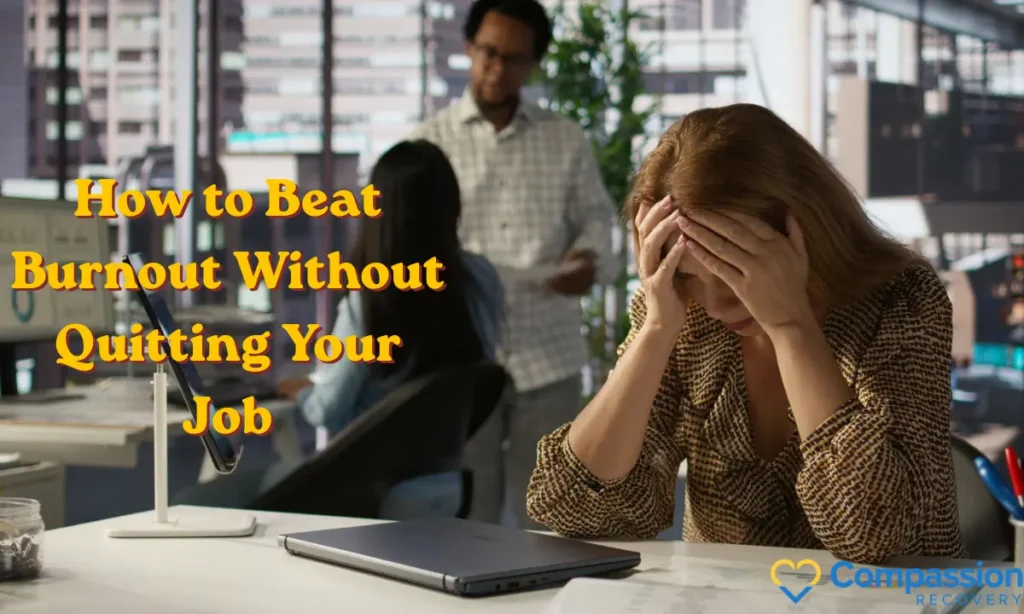
Burnout has become an increasingly common challenge for working professionals. According to a 2025 workforce survey by Eagle Hill Consulting, more than half of U.S. employees report experiencing burnout, with the highest rates among younger workers. When stress feels constant and overwhelming, it’s easy to believe that quitting your job is the only way to recover.
The reality is that for many people, leaving a job isn’t financially realistic. Responsibilities like paying bills, supporting a family, and maintaining health insurance often make resigning impossible. Fortunately, learning how to beat burnout without quitting your job is possible. With the right strategies, healthier boundaries, and the right support, many people can recover while continuing to build their careers.
In this guide, you’ll learn how to recognize the signs of burnout, understand what’s contributing to it, and discover practical, evidence-informed ways to reduce work-related stress without resigning. We’ll also explore when professional support may be beneficial and how to recognize when a larger career change may be the healthiest option.
What Is Burnout?
Burnout is more than feeling tired after a busy week at work. The World Health Organization (WHO) defines burnout as an occupational phenomenon that results from chronic workplace stress that has not been successfully managed. Rather than being a medical condition itself, burnout is recognized as a work-related syndrome that can affect your mental, emotional, and physical well-being.
It’s also important to understand the difference between normal work stress and burnout. Stress often comes and goes, especially during busy periods or when you’re working toward an important deadline. While it can feel overwhelming, it usually improves once the pressure eases. Burnout, on the other hand, is ongoing. Instead of feeling challenged, you may feel emotionally drained, mentally exhausted, and unable to recover, even after taking time off.
Common signs of burnout include persistent emotional exhaustion, difficulty concentrating, reduced motivation, declining work performance, and a growing sense of detachment from your job. Tasks that once felt manageable may begin to feel overwhelming, and you may find yourself caring less about work or feeling disconnected from your colleagues and responsibilities.
One of the reasons burnout can be difficult to recognize is that it rarely happens overnight. It often develops gradually as chronic stress builds over weeks or months. Early signs may seem easy to dismiss, but without healthy coping strategies or support, burnout can continue to worsen and begin affecting both your work and your life outside of it.
Signs You May Be Experiencing Burnout
Burnout doesn’t look the same for everyone, but it often affects how you feel, how your body responds to stress, and how you perform at work. Recognizing the early warning signs can help you take action before burnout becomes more severe.
Emotional Signs
One of the most common symptoms of burnout is emotional exhaustion. This may include feeling irritable over small issues, emotionally numb, or disconnected from your work and the people around you. Some people also experience increased anxiety, frustration, or a persistent sense of dread before the workday begins. Activities that once felt meaningful may no longer feel rewarding, leading to a noticeable loss of motivation and enthusiasm.
Physical Signs
Chronic workplace stress can also take a toll on your body. Persistent fatigue that doesn’t improve with rest is one of the hallmark signs of burnout. You may also experience frequent headaches, muscle tension, digestive discomfort, or difficulty sleeping. Over time, poor sleep can make it even harder to recover, creating a cycle that leaves you feeling physically and mentally drained.
Workplace Signs
Burnout often shows up in your day-to-day work performance. You may find it difficult to concentrate, stay organized, or make decisions. Tasks that were once routine may take longer to complete, and you might notice an increase in mistakes or missed deadlines. As your energy and focus decline, productivity often suffers, making it even more challenging to keep up with workplace demands.
Experiencing one or two of these symptoms during a particularly stressful week doesn’t necessarily mean you’re burned out. However, if several of these signs persist for weeks and begin affecting your work, relationships, or overall well-being, it may be time to make changes and consider seeking professional support.
Can You Beat Burnout Without Quitting?
Yes, many people can recover from burnout without quitting their jobs, but it depends on what’s causing the burnout and whether those factors can be reduced or managed. While changing jobs may be the healthiest option in some situations, it isn’t the only path to recovery.
For many professionals, burnout improves when they have a more manageable workload, establish healthier boundaries between work and personal life, receive support from their employer or loved ones, and work in an environment that values employee well-being. Research also suggests that workplace changes, such as reducing excessive workloads and combining organizational support with individual coping strategies, can help reduce the emotional exhaustion associated with burnout. Your overall mental health also plays an important role, and addressing concerns such as anxiety, depression, or chronic stress can make recovery more achievable.
That said, not every workplace can support recovery. If you’re dealing with a toxic work environment, ongoing harassment, or unrealistic expectations that cannot be changed, simply trying to push through may not be enough. In these cases, exploring a different role or employer may be the healthier long-term decision.
If burnout is interfering with your ability to function at work or enjoy life outside of it, professional support can make a meaningful difference. At Compassion Recovery Centers, we offer Intensive Outpatient Programs (IOP) for work burnout to help California residents develop healthier coping strategies, manage stress, and regain balance while continuing to meet their personal and professional responsibilities. With both in-person and virtual IOP options available, you can access structured support in a way that fits your schedule and lifestyle.
10 Practical Ways to Beat Burnout Without Quitting Your Job
If you’re wondering how to beat burnout without quitting your job, the goal isn’t to overhaul your entire life overnight. Small, consistent changes can have a meaningful impact over time. The strategies below can help you reduce stress, protect your energy, and regain a healthier relationship with work.
1. Identify What’s Actually Causing Your Burnout
Before you can recover, you need to understand what’s driving your burnout. While work may seem like the obvious culprit, the real cause is often more specific. It could be an unrealistic workload, a difficult manager, a lack of control over your responsibilities, perfectionism, unclear expectations, constant interruptions, or an ongoing imbalance between work and personal life.
Take a few minutes to reflect on the following questions:
- What part of my workday leaves me feeling the most drained?
- Which tasks or situations consistently increase my stress?
- What aspects of my job still give me energy or satisfaction?
- What is one change that would make my workday more manageable?
Pinpointing the root cause can help you focus on solutions that address the problem instead of treating only the symptoms.
2. Set One New Boundary at Work Each Week
Trying to change everything at once can feel overwhelming. Instead, commit to establishing one healthy boundary each week. Small adjustments are often easier to maintain and can gradually improve your work-life balance.
For example, you might stop checking emails after work, schedule an uninterrupted lunch break, decline meetings that don’t require your attendance, or block time on your calendar for focused work. These boundaries protect your time and energy without requiring a dramatic career change.
3. Stop Trying to Be Productive Every Minute
Many people believe they should be productive from the moment they log in until the moment they log off. In reality, constantly pushing yourself without breaks can increase mental fatigue and make it harder to stay focused.
Short recovery breaks throughout the day give your mind a chance to reset. Taking a brief walk, stretching, stepping away from your screen, or practicing a few minutes of deep breathing can support cognitive recovery. Research also suggests that short “micro-breaks” during the workday can help restore energy and reduce feelings of fatigue, making them a simple but effective habit to incorporate into your routine.
4. Prioritize Recovery Outside of Work
Recovering from burnout isn’t just about getting more sleep. It’s about replenishing the physical and emotional energy that chronic stress has depleted. An important part of that recovery is learning to mentally disconnect from work once your workday ends. If you’re still checking emails, replaying conversations, or worrying about tomorrow’s deadlines, your mind may never have the opportunity to fully recover.
Research in occupational psychology has consistently found that psychological detachment from work during personal time is associated with lower emotional exhaustion and better overall well-being. Creating space for consistent sleep, regular physical activity, balanced meals, hobbies, and meaningful time with family or friends can help restore your energy and build resilience over time.
5. Talk to Your Manager If It’s Safe
If you have a supportive manager, an honest conversation may help reduce some of the factors contributing to burnout. Instead of simply saying you’re overwhelmed, explain where you’re struggling and discuss possible solutions.
You might ask for help prioritizing projects, adjusting deadlines, redistributing responsibilities, or exploring flexible scheduling options. Even small workplace adjustments can make a significant difference. However, if your work environment feels unsafe or unsupportive, consider speaking with HR or another trusted resource before having this conversation.
6. Learn to Recognize “Good Stress” vs. Chronic Stress
Not all stress is harmful. Some stress can motivate you to learn new skills, meet important goals, or perform well under pressure. Burnout develops when stress becomes constant and there’s little opportunity to recover.
| Good Stress | Burnout Stress |
|---|---|
| Temporary | Constant |
| Motivating | Draining |
| Encourages growth | Leads to exhaustion |
| Recovery happens afterward | Little or no recovery between stressful periods |
Recognizing the difference can help you determine whether you’re facing a temporary challenge or a longer-term problem that needs attention.
7. Reduce Decision Fatigue
Every decision you make throughout the day uses mental energy. By the time you’ve responded to emails, attended meetings, and solved workplace problems, even simple choices can feel exhausting.
Reduce unnecessary decisions where you can. Meal prep for the week, establish a consistent morning routine, block time on your calendar for similar tasks, or simplify everyday choices like what you’ll wear to work. Conserving mental energy for the decisions that matter most can help reduce feelings of overwhelm.
8. Stop Measuring Your Worth by Productivity
Many professionals tie their self-worth to how much they accomplish. While ambition can be healthy, constantly striving to do more often fuels perfectionism, overachievement, and guilt whenever you take a break.
Your value isn’t determined by the number of tasks you complete or the hours you work. Giving yourself permission to rest isn’t a sign of laziness. It’s an essential part of maintaining your mental health and sustaining long-term performance.
9. Build Recovery Into Your Workday
Recovery shouldn’t begin only after you leave the office. Looking for small opportunities to recharge throughout the day can help prevent stress from building to an unhealthy level.
Whether it’s taking a walking meeting, practicing a few minutes of deep breathing between tasks, stepping away from your screen every hour, staying hydrated, or spending a few minutes in natural light, these small habits can make a difference. Research suggests that incorporating short recovery breaks throughout the workday can help restore energy and reduce fatigue, making it easier to cope with ongoing workplace demands.
10. Consider Professional Support Before Reaching a Breaking Point
If burnout continues despite making changes, professional support may be the next step. A therapist can help you identify the underlying causes of burnout, develop healthier coping strategies, manage anxiety or perfectionism, and build skills for navigating workplace challenges more effectively.
At Compassion Recovery Centers, we offer Intensive Outpatient Programs (IOP) for work burnout for adults across California. With both in-person and virtual IOP options, our programs provide structured, evidence-based support that can help you manage chronic workplace stress while continuing to meet your personal and professional responsibilities.
If work burnout is affecting your mental health, relationships, or ability to function day to day, seeking support sooner rather than later can help you regain balance before burnout reaches a crisis point.
When Quitting Might Actually Be the Healthier Choice
Many people can recover from burnout without leaving their jobs. However, that’s not always possible. Sometimes, the work environment itself is the source of the problem. If you’ve set healthier boundaries, made lifestyle changes, and sought support but still feel overwhelmed, it may be time to evaluate your situation more closely.
Some workplace issues are difficult or impossible to fix on your own. These may include ongoing harassment, abusive management, severe ethical conflicts, or unsafe working conditions. In these situations, burnout is often caused by factors outside your control, and this can make recovery much more challenging.
If your burnout continues despite healthy coping strategies and professional support, your current role or workplace may no longer be sustainable. This doesn’t mean you should quit immediately. Instead, consider your options. You may be able to speak with your employer, request an internal transfer, or begin planning for a move to a healthier work environment when the time is right.
If you’re unsure what to do next, talking with a mental health professional can help. They can help you understand what’s contributing to your burnout, explore your options, and make decisions that support both your well-being and your long-term career goals.
Final Thoughts
Learning how to beat burnout without quitting your job starts with recognizing that recovery is possible. While burnout can leave you feeling emotionally and physically drained, small changes like setting healthier boundaries, prioritizing recovery, and asking for support can make a meaningful difference over time.
At the same time, it’s important to be honest about your situation. If your workplace is contributing to ongoing stress that can’t be changed, exploring other options may be the healthiest path forward. The goal isn’t simply to keep working at all costs. It’s to protect your mental health while building a more sustainable and balanced life.
If burnout is affecting your work, relationships, or overall well-being, you don’t have to navigate it alone. Compassion Recovery Centers is here for you. Our team can help you develop practical coping strategies, manage chronic stress, and regain a healthier relationship with work so you can move forward with confidence.