

What is an IOP in California?
An Intensive Outpatient Program (IOP) in California is a structured treatment plan offering therapy sessions 3–5 days a week, allowing individuals to recover while continuing daily responsibilities.
It takes great courage to recognize that you or someone you care for needs help for mental health or substance use issues. After deciding, however, you must determine which kind of care is right for you. For many, a traditional residential stay isn’t feasible due to work, school, or family commitments.
This is where an intensive outpatient program in California comes in handy. It’s a therapy between a high-level residential therapy and regular weekly therapy, so you can heal without pausing your daily obligations.
If you’re thinking about doing this important thing, you’re not alone if you get the jitters about what it means. To alleviate your anxiety, let’s go over what to expect when you’re in an intensive outpatient setting.
The Intake and Assessment: A Tailored Approach
Your journey starts before you even make it to your first group session. The first day will be a detailed clinical evaluation with a licensed professional.
Recovery is unique for each person, and this assessment considers your mental health background, past substance use, your physical health, and your personal goals. The clinical team at Compassion Recovery Centers utilizes a personalized treatment plan based on this information, specific to your needs. Where your integrated dual-diagnosis plan is developed is in the event you suffer from a mental health condition (anxiety, trauma) and substance use.
A Typical Day in a California IOP
An Intensive Outpatient Program (IOP) is a flexible but structured program. The majority of programs have a time commitment of 3-5 days a week, typically 3-4 hours a day. This will give you the rest of your morning or evening to work, go to school, or take care of your family.
The program consists of three main components on a normal day:
1. Group Therapy (The Core Pillar)
Group therapy is the foundation of the IOP. These sessions are facilitated by a licensed clinician and are a great way to connect with a group of peers who are having similar challenges. During group sessions, you will work on the following:
Cognitive Behavioral Therapy (CBT): Recognizing negative thinking and changing the way you react to emotional triggers.
Dialectical Behavior Therapy (DBT): Mindfulness, distress tolerance skills, and regulating intense emotions.
Relapse Prevention and Coping Skills: Real-time coping strategies for stress, cravings, or anxiety episodes.
2. One-on-One Individual Therapy
Group therapy creates community, individual therapy creates a sacred space. Each week, in private sessions with a primary therapist, you will explore deeper into personal traumas, family dynamics, and core issues that you may not feel comfortable sharing in a group.
3. Holistic and Expressive Therapies
True healing involves healing the whole person: not just the symptoms! A good mental health outpatient program includes a holistic approach to calming the nervous system. You might find yourself guided in meditation, or practicing breath work, art therapy, or sound healing—a day that may be spent reconnecting your mind and body.
In-Person vs. Virtual IOP: Flexibility at Your Fingertips
One of the most significant advances in contemporary behavioral healthcare is the option to select where to obtain care.
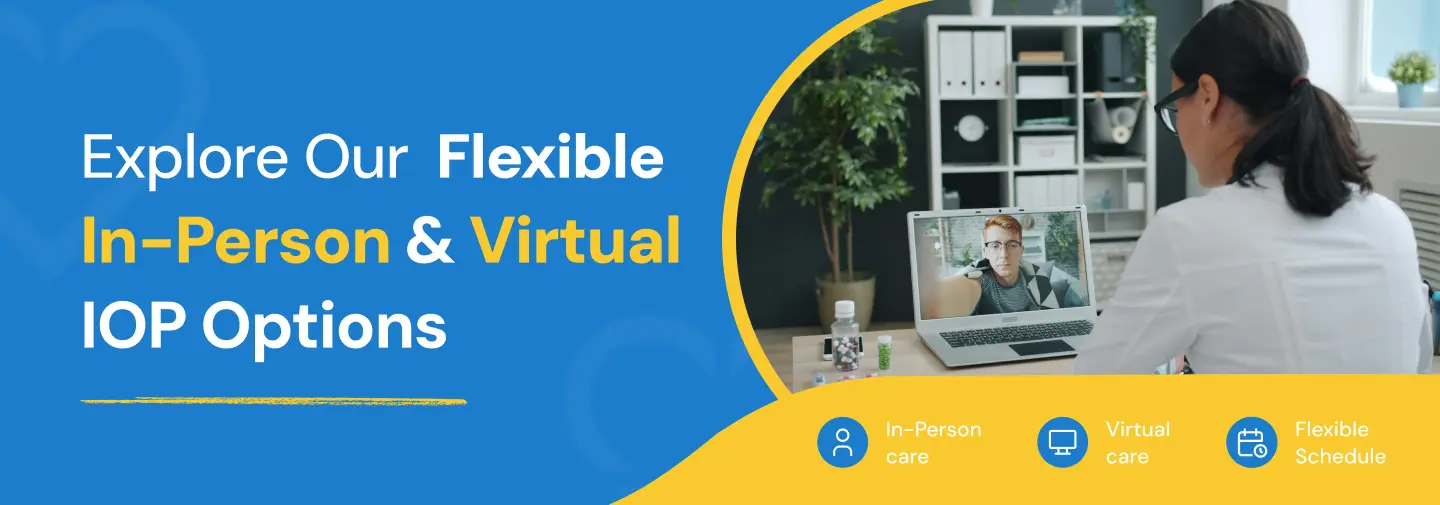
In-Person Care: At a specialized mental health clinic, for example, a mental health IOP California facility, offers a highly structured setting, in-person community engagement, and a tangible change away from your home environment.
Virtual Care: A virtual IOP California is for patients who have tight schedules, transportation restrictions, or health issues that prevent them from attending in person. You receive live group therapy sessions, message your therapists, and work through self-guided wellness modules from the comfort of your home through secure, HIPAA-compliant video platforms.
Balancing Costs: Navigating Insurance Coverage
Financial anxiety is one of the most frequent reasons for not seeking mental health assistance. Fortunately, outpatient treatment is far more available than being hospitalized, and locating an outpatient program that accepts insurance is much easier than it once was.
The Mental Health Parity and Addiction Equity Act mandates that most large health insurance carriers treat behavioral health care like any other type of medical care. The best centers have partnerships with major insurance companies (Aetna, Cigna, Anthem BCBS, and TRICARE), so your treatment is covered a lot. This can be life-saving clinical care for many people with minimal or no cost to themselves.
| Program Element | What is Involved | Why it Matters |
| Weekly Schedule | 9 to 15 hours per week (Day or Evening tracks) | Allows you to sleep at home and keep working or attending school. |
| Group Therapy | Peer-led CBT, DBT, and relapse prevention | Breaks isolation and builds a real-world support network. |
| Individual Therapy | 1-on-1 deep dive with a primary therapist | Focuses on personal trauma and customized goal setting. |
| Holistic Modalities | Yoga, meditation, art therapy, and sound healing | Calms the central nervous system and treats the whole body. |
| Delivery Methods/td> | In-person or remote via secure video portals | Ensures care is accessible regardless of your location. |
Taking the First Step Toward Lasting Stability
Graduation from an IOP is not the end of the road; it’s the beginning. An extensive program provides you with a post-treatment plan that involves alumni groups, support groups, and continued outpatient treatment so you don’t have to face your daily routines alone.
When you need a clinical physician to bring your heartfelt care to your healthcare experience, you don’t have to search any further. Your path to emotional freedom and mental stability is entirely within reach.
At Compassion Recovery Centers, we provide flexible, evidence-based treatment options tailored to your real life. Whether you thrive in an intimate, in-person clinical setting or require the absolute flexibility of a remote program, our team is dedicated to standing by your side.