

Medical Director, Compassion Recovery Center

Licensed Psychologist (LP), Compassion Recovery Center
The journey into motherhood is often painted as a time of pure joy and blissful bonding. While these moments certainly exist, for many new mothers, the postpartum period can also bring unexpected and overwhelming challenges. Among the most serious are postpartum depression (PPD) and the turn towards substance use as a coping mechanism. These conditions can cast a dark shadow over what should be a precious time, affecting not only the mother but her baby and entire family. Recognizing the profound need for accessible and understanding care, Compassion Recovery Center offers specialized support through Virtual Intensive Outpatient Programs (IOP), designed to meet new mothers where they are, especially those in LA County and across California. If you or a loved one is navigating this difficult path, please know that you are not alone, and effective, compassionate help is available. Reach out today to learn how we can support your healing journey.
The transition to motherhood involves immense physical, emotional, and hormonal changes. Sleep deprivation, the constant demands of a newborn, feelings of isolation, and societal pressures can create a perfect storm for mental health challenges. Postpartum depression is more than just the “baby blues”; it’s a serious mood disorder that can significantly impair a mother’s ability to function and care for herself and her child. When PPD takes hold, some mothers, in a desperate attempt to find relief from emotional pain, anxiety, or overwhelming stress, may begin to use or increase their use of substances like alcohol, prescription medications, or other drugs. This often happens in silence, hidden by shame and fear of judgment. It’s crucial to understand that this is not a sign of weakness or poor mothering, but rather an indication of deep distress and a need for professional support. Our mental health treatment programs are designed to address these co-occurring issues with sensitivity and expertise.
The importance of addressing postpartum depression and substance use promptly and effectively cannot be overstated. Untreated, these conditions can have long-lasting negative consequences for the mother’s well-being, the mother-child bond, child development, and family stability. However, seeking traditional in-person treatment can be a significant hurdle for new mothers who are already juggling childcare, recovery from childbirth, and other responsibilities. This is where innovative solutions like Virtual Intensive Outpatient Programs (IOPs) come into play. Telehealth platforms, such as those utilized by Compassion Recovery Center, break down many of these barriers, offering high-quality drug rehab programs and alcohol rehab programs directly in the comfort and privacy of one’s home. Our approach is rooted in understanding the unique needs of new mothers, providing a lifeline to those who might otherwise suffer in silence. We believe that every mother deserves the chance to heal and thrive, and our remote services are designed to make that a reality. You can check insurance coverage easily on our website to take the first step.
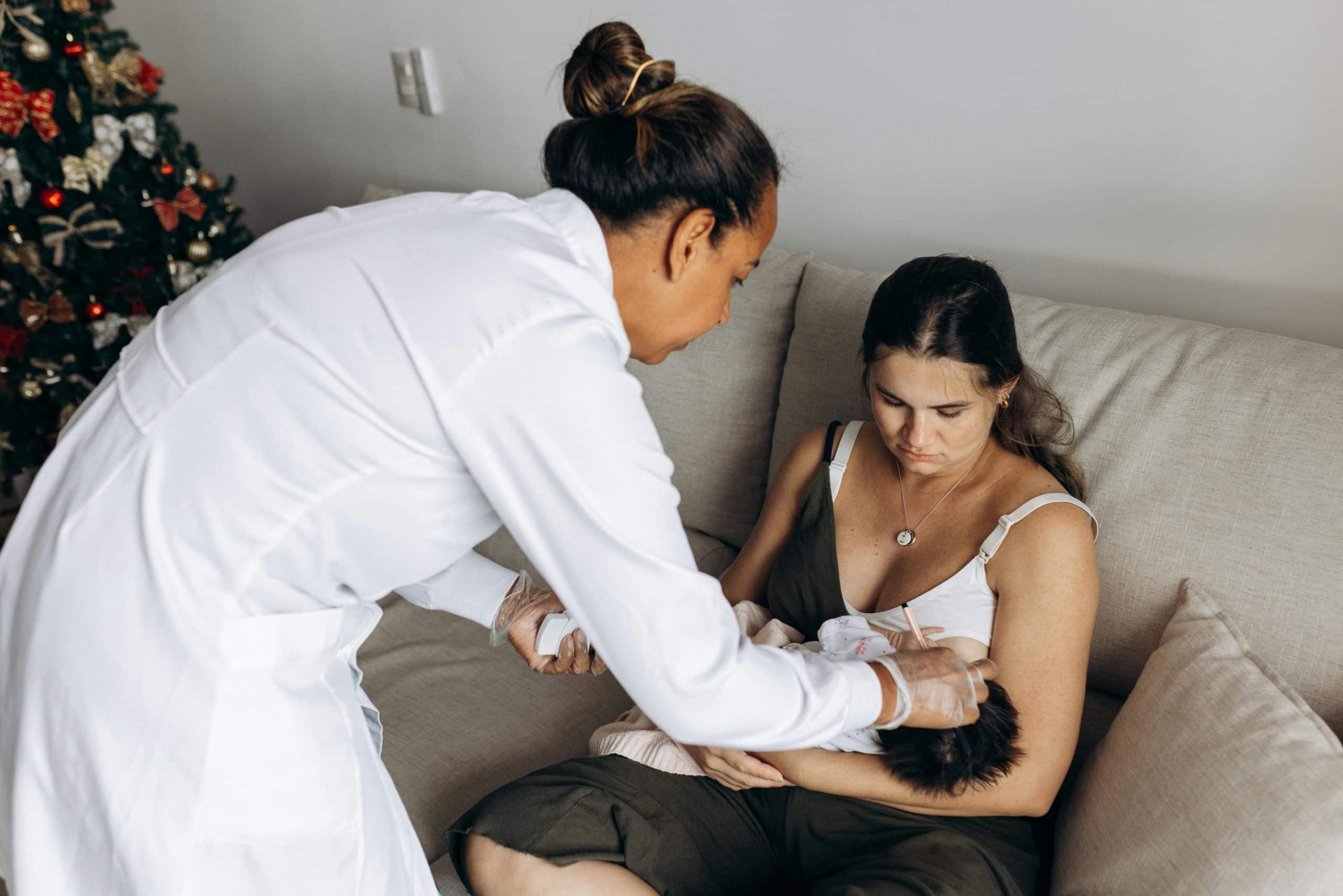
Postpartum Depression (PPD) is a complex and often misunderstood mood disorder that can affect women after childbirth. It’s far more intense and longer-lasting than the “baby blues,” a term used to describe the worry, sadness, and tiredness many women experience for a week or two after having a baby. PPD can emerge anytime within the first year after delivery and is characterized by a persistent feeling of sadness, loss of interest in usually enjoyable activities, and a range of emotional and physical symptoms that interfere with a mother’s ability to care for her baby and herself. Understanding the signs is the first step toward seeking help. If you feel you might be experiencing PPD, a free assessment can help clarify your needs.
The symptoms of postpartum depression can vary widely among women but often include:
The impact of PPD on new mothers and their families can be devastating. For the mother, it can steal the joy of new parenthood, lead to feelings of isolation, and significantly impair her daily functioning. This isn’t just a matter of feeling down; PPD can affect a mother’s physical health, her relationships, and her overall quality of life. She may struggle to provide consistent care for her infant, which can, in turn, lead to feelings of guilt and further exacerbate the depression. Family members are also deeply affected. Partners may feel confused, helpless, or frustrated, not understanding what their loved one is going through or how to help. The entire family dynamic can shift, creating stress and tension. The baby can also be impacted, as maternal depression can affect bonding and attachment, potentially leading to developmental delays in cognitive, emotional, and social domains if not addressed. This highlights the importance of comprehensive support, which can sometimes include dual diagnosis treatment if substance use is also present.
In Los Angeles County, as in many urban areas, the prevalence of postpartum depression is a significant public health concern. While exact, real-time statistics can fluctuate, studies suggest that PPD affects a substantial number of new mothers. Nationally, it’s estimated that 1 in 7 women experience PPD. In diverse and populous areas like LA County, factors such as socioeconomic stress, lack of social support, cultural factors, and limited access to resources can potentially increase this vulnerability. The actual numbers may be even higher due to underreporting, as many women suffer in silence due to stigma or fear of judgment. It’s crucial for communities and healthcare providers in LA County to be vigilant in screening for PPD and ensuring that accessible “postpartum depression treatment LA County” options are available. Compassion Recovery Center is committed to bridging this gap by providing specialized Virtual IOP for new mothers, making quality mental health care more attainable for those in need, regardless of their specific location within the county or even broader California.
The postpartum period, while a time of joy for many, can also be one of immense stress, physical recovery, and emotional vulnerability. For some new mothers, particularly those grappling with postpartum depression, anxiety, or the overwhelming demands of caring for a newborn, substances may seem like a temporary escape or a way to cope. Understanding the patterns and reasons behind substance use in new mothers is crucial for providing effective and compassionate support. If you or a loved one is using substances to cope during this time, please know that help is available. Compassion Recovery Center offers “telehealth addiction treatment California” designed to address these specific challenges. Get help now to explore your options.
New mothers may turn to a variety of substances. Some common ones include:
The reasons for substance use during the postpartum period are multifaceted and often intertwined with the unique pressures and changes of new motherhood:
The effects of substance use on both the mother and child can be severe and far-reaching. For the mother, substance use can worsen PPD symptoms, impair her judgment and ability to care for her baby, lead to accidents, and create a cycle of guilt and shame. It can strain relationships with her partner and family, and lead to long-term health problems, including addiction. For the child, the risks depend on the substance, the route of exposure (e.g., through breast milk), and the extent of use. Potential effects include:
Addressing substance use in new mothers requires a compassionate, non-judgmental approach that integrates mental health care with addiction treatment. At Compassion Recovery Center, our “remote drug rehab Orange County” services extend this specialized care to mothers throughout California, helping them break free from the cycle of substance use and PPD. It’s important to Admissions Information to understand the pathways to recovery.
Use our quick & easy insurance verification to find out if you’re covered for our centers. We accept all major insurance.





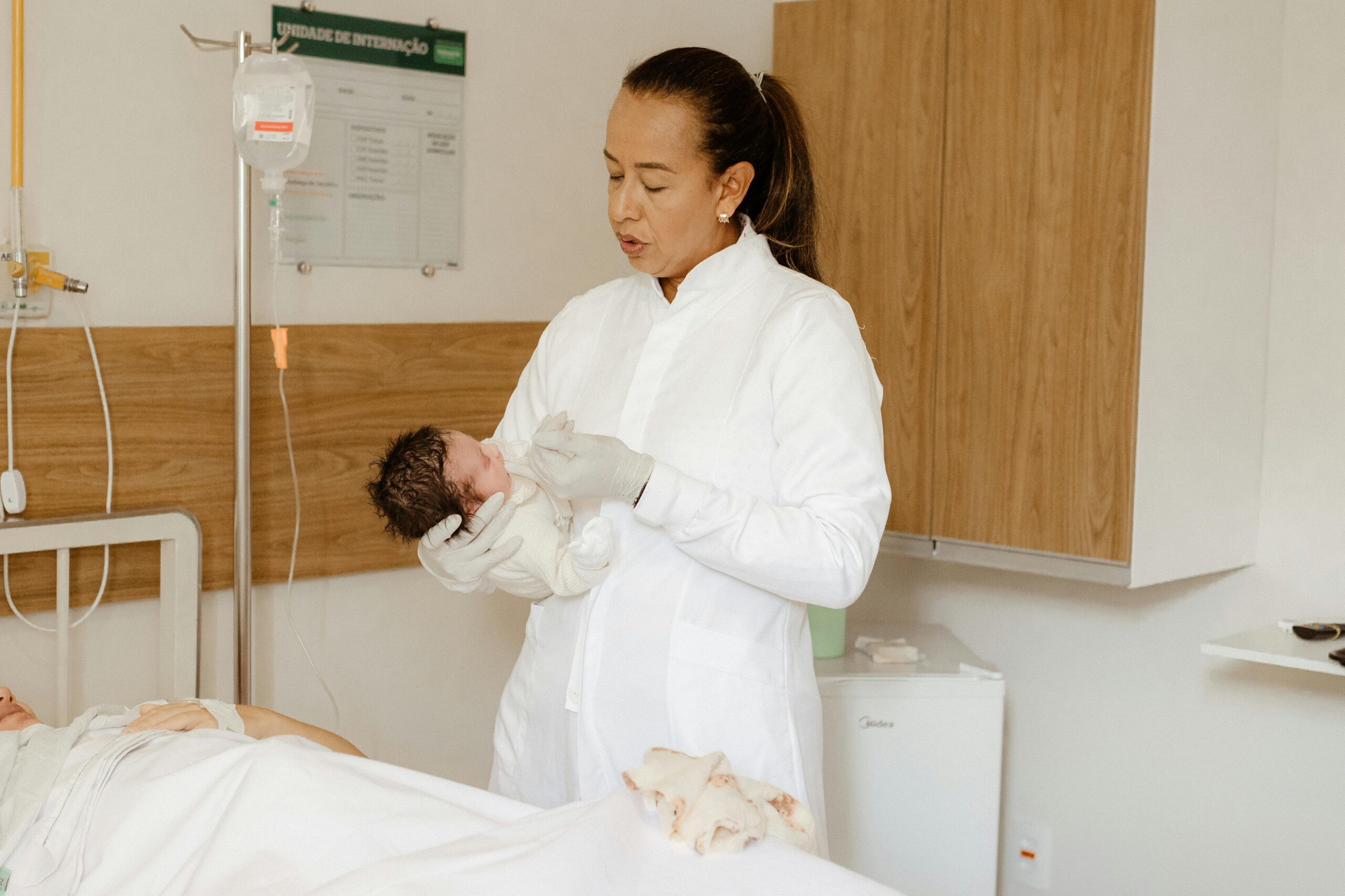
For new mothers struggling with the dual challenges of postpartum depression and substance use, accessing timely and appropriate treatment can feel like an insurmountable obstacle. Traditional rehab programs, often requiring residential stays or frequent in-person visits, can be impractical for those caring for a newborn. This is where Virtual Intensive Outpatient Programs (IOP) offer a groundbreaking and highly effective alternative. A Virtual IOP provides a structured, comprehensive treatment experience delivered entirely online, allowing mothers to receive care from the comfort and privacy of their own homes. This model is particularly beneficial for providing “postpartum depression treatment LA County” and for mothers across California seeking flexible solutions.
A Virtual IOP, like the programs offered at Compassion Recovery Center, is an intensive level of care that typically involves several hours of therapy and counseling per week, spread across multiple days. Unlike residential programs, clients do not live at a facility. Instead, they participate in individual therapy, group therapy, educational sessions, and family counseling (if applicable) through secure video conferencing platforms. This structure provides robust support comparable to in-person IOPs but with significantly enhanced accessibility. The core components often include evidence-based therapies such as Cognitive Behavioral Therapy (CBT), Dialectical Behavior Therapy (DBT), motivational interviewing, and relapse prevention planning. For new mothers, the curriculum is often tailored to address specific postpartum challenges, including PPD, bonding, parenting stress, and managing recovery alongside childcare. Contact Us to learn more about our specific program structure.
Virtual IOPs are uniquely positioned to address postpartum depression and substance use simultaneously, often through a dual diagnosis treatment approach. Here’s how:
The success stories emerging from Virtual IOP programs for new mothers are incredibly encouraging. Many women who felt trapped by their circumstances, unable to attend traditional treatment, have found healing and recovery through telehealth. Outcomes often include significant reductions in depressive symptoms, sustained sobriety, improved coping skills, stronger mother-infant bonds, and enhanced overall family well-being. For example, a mother in LA County, feeling isolated and overwhelmed, using alcohol to cope with severe PPD, could access daily group therapy and weekly individual sessions from her home via a Virtual IOP Program. This consistent support, without the logistical nightmare of arranging childcare and travel, can be life-changing. She learns she’s not alone, gains tools to manage her emotions, and rebuilds her confidence as a mother. Compassion Recovery Center is proud to facilitate such transformations, offering a beacon of hope and practical support. Our goal is to empower mothers to reclaim their health and joy in motherhood. If you’re unsure if this is the right fit, consider starting with a start your free assessment to discuss your situation confidentially.
The arrival of a new baby brings profound changes, and when postpartum depression or substance use enters the picture, seeking help becomes paramount. However, for new mothers, traditional treatment avenues can present significant logistical and emotional hurdles. Virtual IOP for new mothers, like the programs offered by Compassion Recovery Center, dismantle many of these barriers, offering a pathway to recovery that is both effective and accommodating. The benefits are numerous, aligning perfectly with the unique needs of mothers during this sensitive period. Exploring these advantages can help you understand why “telehealth addiction treatment California” is rapidly becoming a preferred option for many families. To see if this flexible option works for your insurance, you can verify your insurance online.
One of the most significant advantages of Virtual IOP is its unparalleled accessibility and convenience. For a new mother, especially one in a sprawling area like LA County or even more remote parts of California, traveling to a treatment center multiple times a week can be nearly impossible. Consider the challenges:
This enhanced accessibility means that more mothers can get the help they need, when they need it, without upending their lives or delaying treatment due to logistical constraints. This is especially crucial as early intervention often leads to better outcomes for both mother and child.
Flexibility in scheduling and participation is another key benefit that resonates deeply with new mothers. The life of a new parent is often unpredictable, revolving around feeding schedules, nap times, and the baby’s immediate needs. Virtual IOPs often offer more flexible scheduling options compared to traditional programs.
This flexibility reduces the stress associated with treatment and allows mothers to integrate recovery work more seamlessly into their daily lives. As highlighted in our blog post about how virtual IOP fits into a busy schedule, this adaptability is a cornerstone of effective remote care.
The privacy and comfort of receiving treatment from home cannot be overstated, especially when dealing with sensitive issues like PPD and substance use.
For new mothers who may be feeling vulnerable, anxious, or overwhelmed, the ability to access high-quality care without leaving their sanctuary is a profound advantage. Compassion Recovery Center understands these needs and has designed its Virtual IOP Program to maximize these benefits, ensuring that new mothers feel supported, understood, and empowered on their path to recovery. Get help for substance abuse today in a way that respects your unique circumstances.
A Virtual Intensive Outpatient Program (IOP) for new mothers struggling with postpartum depression and substance use is not just about convenience; it’s about delivering comprehensive, evidence-based care tailored to their unique needs. At Compassion Recovery Center, our “Virtual IOP for new mothers” incorporates several key therapeutic components designed to foster healing, resilience, and lasting recovery. Understanding these elements can help demystify the treatment process and highlight the depth of support available through telehealth. When exploring “Compassion Recovery Center services,” you’ll find a commitment to these proven strategies.
Cognitive Behavioral Therapy (CBT) and its effectiveness: Cognitive Behavioral Therapy (CBT) is a cornerstone of effective treatment for both depression and addiction, making “online CBT therapy for postpartum depression” a vital part of our virtual programs. CBT operates on the principle that our thoughts, feelings, and behaviors are interconnected. By identifying and changing negative or unhelpful thought patterns and maladaptive behaviors, individuals can improve their emotional state and develop healthier coping mechanisms. For new mothers, CBT can be particularly powerful in addressing:
Delivered online, CBT is just as effective as in-person sessions. Therapists use video conferencing for individual and group sessions, along with digital worksheets and resources, to guide mothers through the process of cognitive restructuring and behavioral change. The skills learned in CBT are practical and can be applied immediately to daily life, empowering mothers to manage their symptoms and maintain their recovery long-term.
Medication-Assisted Treatment (MAT) for substance use: For some new mothers struggling with substance use disorders, particularly opioid or alcohol dependence, Medication-Assisted Treatment (MAT) can be a critical component of their recovery plan. “MAT treatment online for new mothers” involves the use of FDA-approved medications, in combination with counseling and behavioral therapies, to treat substance use disorders. It’s crucial to note that the use of MAT during the postpartum period, especially if breastfeeding, requires careful consideration and close medical supervision by professionals experienced in both addiction medicine and maternal-fetal health. Decisions are made on a case-by-case basis, weighing the benefits and risks. When appropriate and safely managed, MAT can:
Telehealth platforms can facilitate MAT by connecting mothers with qualified prescribers for assessments, medication management, and follow-up appointments. This remote access can be particularly beneficial for those who have difficulty traveling or live in areas with limited MAT providers. At Compassion Recovery Center, any consideration of MAT is handled with the utmost care, prioritizing the health and safety of both mother and child, and always integrated within a comprehensive therapeutic framework.
Group therapy and peer support networks: The experience of postpartum depression and substance use can be incredibly isolating. Group therapy within a Virtual IOP provides a powerful antidote to this isolation by creating a supportive community of peers. New mothers connect with others who truly understand their struggles, fostering a sense of belonging and shared experience. Benefits of virtual group therapy include:
Virtual group sessions, facilitated by skilled therapists, use secure video conferencing to create an intimate and confidential setting. These groups often become a vital lifeline for new mothers, providing ongoing encouragement and accountability that extends beyond the formal treatment program. Compassion Recovery Center emphasizes the role of peer support as a critical element in sustainable recovery, helping mothers build a strong foundation for a healthier future. To learn more about how these components fit together, start your free assessment with our team.
At Compassion Recovery Center, we understand that new mothers facing postpartum depression and substance use require a specialized, empathetic, and highly accessible approach to treatment. Our “Compassion Recovery Center services” are meticulously designed to meet these unique needs, leveraging the power of telehealth to deliver comprehensive care directly to you, whether you’re in LA County, Orange County, or elsewhere in California. We are committed to providing a sanctuary for healing, where mothers can find the support they need without sacrificing their role as caregivers or the comfort of their homes. Admissions Information is readily available to help you take the first step towards recovery.
Our core offering for new mothers in this situation is our Virtual Intensive Outpatient Program (IOP). This program forms the backbone of our support system, providing a structured yet flexible treatment experience. It is an ideal “Virtual IOP for new mothers” because it acknowledges the complexities of their lives. Our IOP typically involves several hours of programming per week, encompassing individual therapy, group therapy, and psychoeducational sessions. We also offer Partial Hospitalization Programs (PHP) via telehealth for those who may need a higher level of care initially before stepping down to IOP. The intensity of the program is tailored to individual needs, ensuring that each mother receives the right amount of support. All sessions are conducted via secure, HIPAA-compliant video conferencing, ensuring privacy and ease of access. This “telehealth addiction treatment California” model allows us to reach mothers who might otherwise be unable to access specialized care due to geographical constraints, childcare responsibilities, or stigma.
Central to our approach is the utilization of “online CBT therapy for postpartum depression” and other evidence-based modalities. Our licensed therapists are skilled in applying Cognitive Behavioral Therapy techniques remotely to help new mothers identify and reframe negative thought patterns that contribute to depression and fuel substance use. For instance, a mother struggling with thoughts of inadequacy (“I’m not a good enough mom”) can learn to challenge these cognitions and replace them with more balanced and compassionate self-perceptions. Similarly, CBT helps in developing practical coping strategies for managing stress, anxiety, and triggers for substance use – skills that are directly applicable to the daily realities of motherhood. Beyond CBT, our therapists may integrate elements of Dialectical Behavior Therapy (DBT) for emotional regulation, Motivational Interviewing to enhance intrinsic motivation for change, and mindfulness practices to promote presence and reduce stress. Our approach is always client-centered, meaning treatment plans are individualized and adaptable. If you’re wondering what a day in rehab looks like, our team can walk you through a typical virtual IOP schedule.
We also recognize that postpartum depression and substance use don’t just affect the mother; they impact the entire family system. The transition to parenthood can strain even the strongest relationships, and when mental health or addiction challenges are present, the need for relational support becomes even more critical. This is why “virtual couples counseling rehab” is an integral part of the services we offer at Compassion Recovery Center. Through telehealth, couples can participate in therapy sessions designed to:
Incorporating virtual couples counseling acknowledges that recovery is often a collaborative effort. By supporting the family unit, we enhance the mother’s chances of sustained recovery and contribute to a healthier, more stable environment for the child. Our “remote drug rehab Orange County” base allows us to offer these comprehensive virtual services across California, ensuring that geographical distance doesn’t prevent families from accessing the holistic care they deserve. We encourage you to reach out today to discuss how our integrated services can support you and your family.
Seeking treatment for postpartum depression and substance use is a courageous step, but for new mothers, this path can be fraught with unique challenges and barriers. Understanding these obstacles is crucial for both mothers considering help and for providers aiming to offer effective solutions. Compassion Recovery Center’s Virtual IOP Program is specifically designed to dismantle many of these common hurdles, making “postpartum depression treatment LA County” and “telehealth addiction treatment California” more accessible and manageable. If you’re facing these difficulties, know that solutions exist and support is within reach. Start your free assessment to explore how we can help.
New mothers often encounter a confluence of practical, emotional, and societal challenges when trying to access treatment:
Virtual IOP, as offered by Compassion Recovery Center, provides powerful solutions to overcome many of these barriers:
The importance of continuous support and follow-up care cannot be overstated, especially in early recovery and during the demanding postpartum period. Recovery is not a one-time event but an ongoing journey. Virtual IOPs often include robust aftercare planning, which may involve step-down programs (like less intensive outpatient groups), continued individual therapy, referrals to local support groups (including virtual ones), and resources for ongoing parenting support. Compassion Recovery Center is committed to providing a continuum of care, ensuring that mothers feel supported not just during the intensive phase of treatment but as they navigate the challenges and joys of long-term recovery and motherhood. Our case managers and recovery coaches play a vital role in this ongoing support. We believe in empowering mothers with the tools and resources they need to thrive long after completing our program. If you are ready to explore treatment options, we are here to guide you.
The convergence of postpartum depression and substance use presents one of the most challenging trials a new mother can face. It’s a silent struggle, often masked by the idealized image of motherhood, yet its impact on the mother, her child, and her family can be profound and far-reaching. Throughout this discussion, we’ve highlighted the critical importance of recognizing these intertwined conditions and, more importantly, the availability of effective, compassionate, and accessible treatment. At Compassion Recovery Center, we firmly believe that no mother should have to navigate this journey alone. Our specialized Virtual Intensive Outpatient Programs (IOP) are specifically designed to bring healing and hope directly to new mothers in LA County, Orange County, and throughout California.
Recapping the significance, postpartum depression is not a sign of weakness but a serious medical condition requiring professional care. When combined with substance use—often a desperate attempt to cope with overwhelming emotional pain, stress, or underlying trauma—the situation becomes even more complex, demanding an integrated treatment approach. The potential consequences of untreated PPD and substance use on maternal well-being, infant development, and family stability underscore the urgency of seeking help. We’ve explored how “online CBT therapy for postpartum depression” can rewire negative thought patterns, how “MAT treatment online for new mothers” can offer a lifeline for those battling addiction (when clinically appropriate), and how the peer support found in group therapy can combat profound isolation. The beauty of a Virtual IOP for new mothers lies in its ability to deliver these vital “Compassion Recovery Center services” in a way that respects the unique circumstances of early motherhood: from home, with flexibility, and with utmost privacy.
If you are a new mother reading this, perhaps recognizing parts of your own story in these words, we want to extend our deepest empathy and encouragement. It takes immense courage to acknowledge that you’re struggling and even more to reach out for help. Please know that what you are experiencing is treatable, and you do not have to continue suffering in silence. The path to recovery is possible, and it begins with the brave decision to seek support. Our online rehab programs are designed with your needs in mind, offering a judgment-free zone where healing can begin. We encourage you to take that first, vital step. Contact Us for a confidential assessment, or if you’re ready, start your free assessment online. Let us help you navigate the path towards a brighter, healthier future for yourself and your baby.
Compassion Recovery Center is more than just a treatment provider; we are a dedicated partner in your recovery journey. Our mission is to make high-quality “telehealth addiction treatment California” and mental health treatment accessible to those who need it most, especially vulnerable populations like new mothers. We understand the nuances of “postpartum depression treatment LA County” and the broader needs within our state. By offering flexible “remote drug rehab Orange County” based services, we aim to dismantle barriers to care, providing evidence-based therapies like online CBT and options for “virtual couples counseling rehab” to support the entire family system. Your journey to recovery is unique, and we are here to provide the personalized, compassionate care you deserve. Don’t let fear or stigma hold you back from reclaiming your joy and well-being. Verify Insurance today and let us show you how our virtual programs can help you build a fulfilling life in recovery, embracing the joys of motherhood with newfound strength and hope. Your new beginning can start now.
Researchers and doctors are making exciting progress in understanding mental health and addiction—bringing hope to millions.
Genetics can play a part, but they don’t decide your future. Mental health is shaped by many factors, and healing is always possible.
The right treatment often includes a mix of therapy, medication, and compassionate care—tailored just for you.
We are 100% in Network Provider. Most of our clients pay $0 out of pocket.